
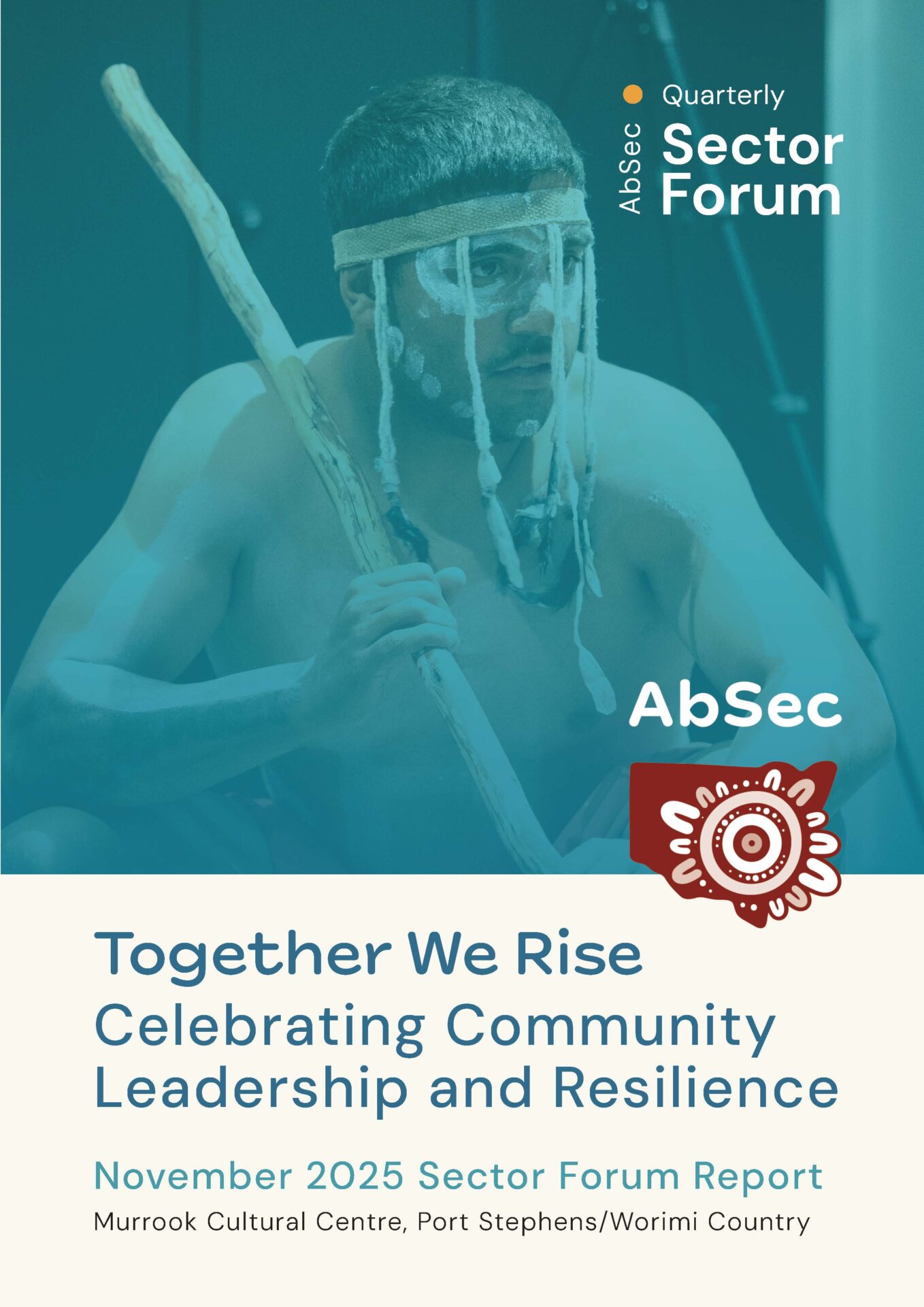
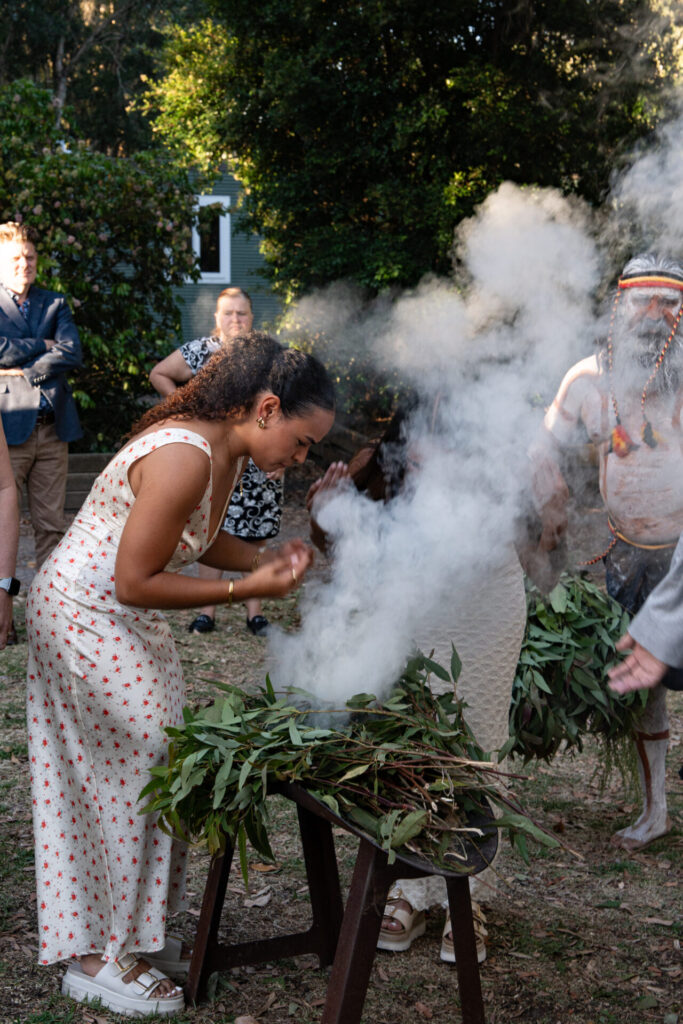
The AbSec 2025 November Quarterly Sector Forum brought the sector together on Worimi Country for two days of grounded discussion, cultural connection and shared purpose. Held at the Murrook Cultural Centre, the forum opened with a strong Welcome to Country from Uncle Neville Lilley. His words, and the setting itself, reminded everyone that this work begins and ends with culture, Country and community leadership.
The theme – Together We Rise: Celebrating Community Leadership and Resilience -framed the focus and conversations of the forum. Delegates from ACCOs, frontline services, government and legal sectors gathered to look closely at the state of the system, the pressures facing Aboriginal children and families, and the path forward.

Key sessions – Day One
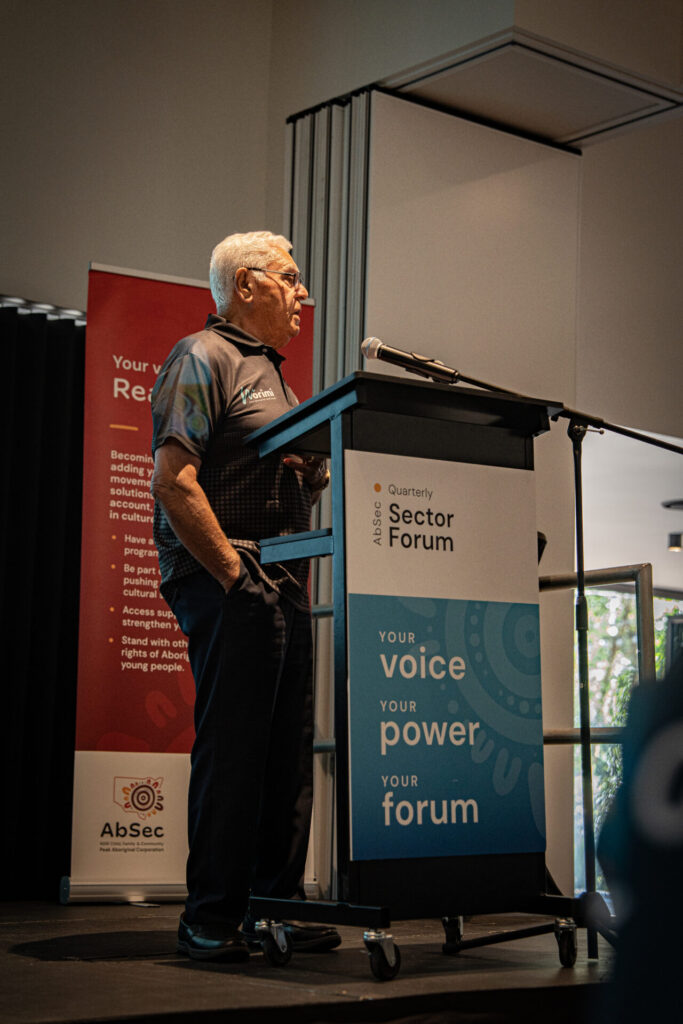
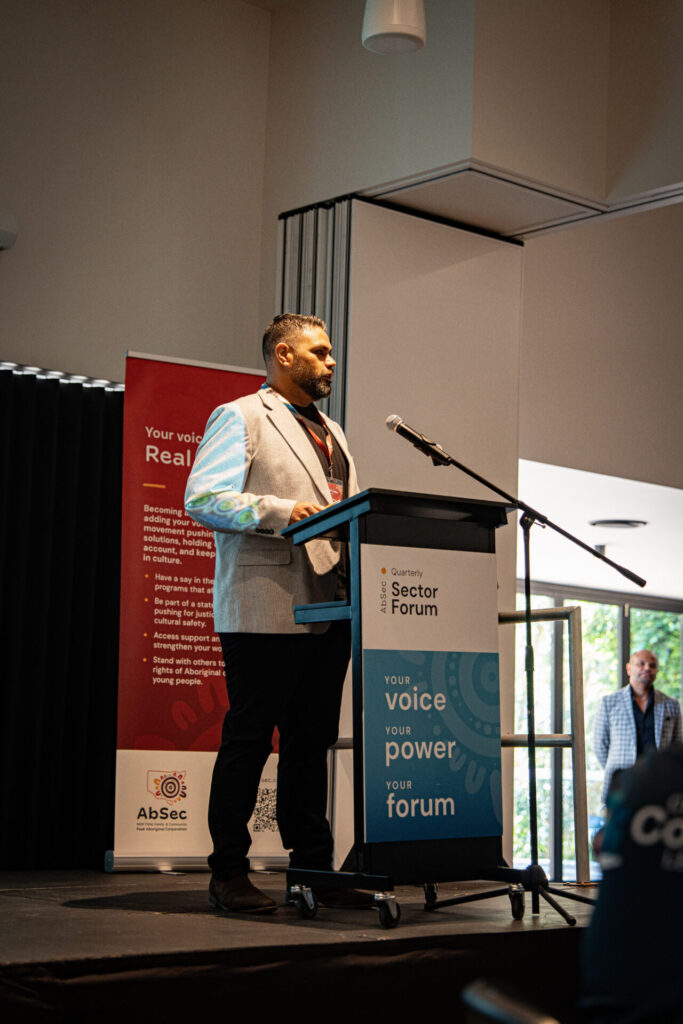
AbSec CEO John Leha opened the Forum by welcoming delegates to Murrook Culture Centre, offering deep respect to the Traditional Custodians and describing being on Worimi Country as “grounding and invigorating,” setting the tone for a gathering centred on community leadership, resilience and cultural strength.
Reflecting on the Forum theme, John acknowledged the sector has faced “tough setbacks” throughout the year but emphasised that true strength comes from “how we face challenges and rise through them, as our people have done for 65,000+ years.” He reminded delegates that the sector Forums are “about connection, learning from each other, advocacy – and above all, centring the voices of our communities.”
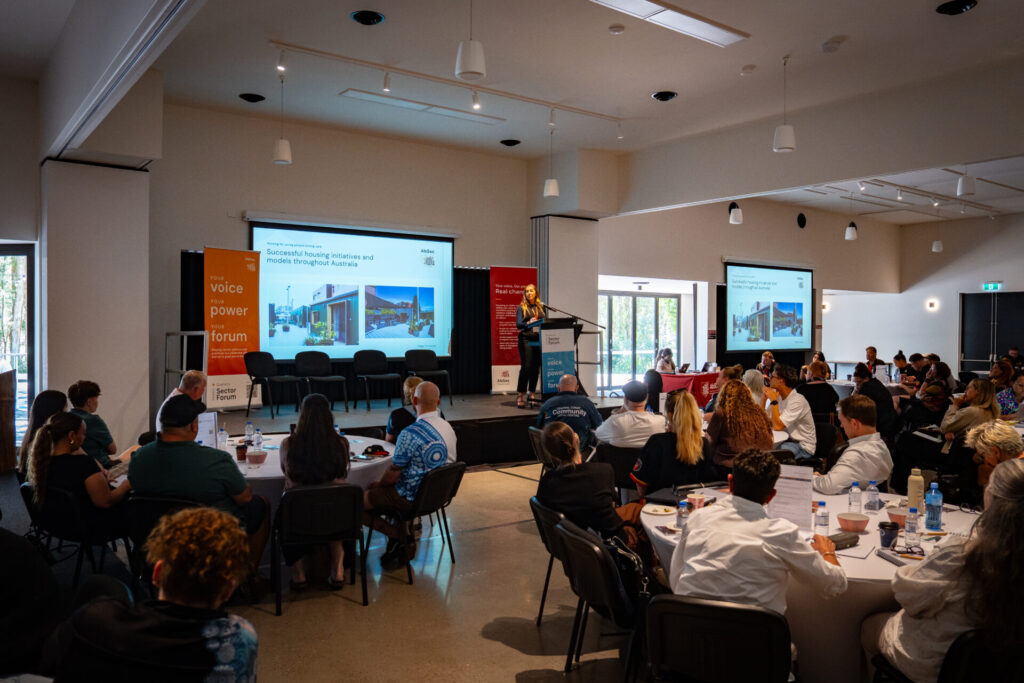
Early sessions set out the current challenges clearly: housing insecurity for young Aboriginal people leaving care, falling restoration rates, inconsistent transitions to ACCOs and persistent funding inequities. Presenters walked through the numbers, the policy gaps and the lived experience behind them. The session on housing for young people leaving care drew particular attention. Evidence from across Australia and overseas showed what many in community already know; no young person can thrive without a stable place to call home, and housing must be guaranteed, not conditional.
The Legal Assistance for Families Partnership Agreement (LAPFA) was discussed with urgency. The Aboriginal Legal Service emphasised that early legal support is essential if families are to be heard, respected and supported. Too often, referrals are made late in the process, long after decisions have taken hold. The message was firm: LAFPA is designed to keep children safely connected to family and must be used as intended.
The forum examined partnership behaviours and the systems that either enable or hinder genuine collaboration. Speakers addressed these behaviours openly — highlighting those that foster progress and those that continue to create barriers. The discussion reinforced a well-known truth across the sector: authentic partnership demands honesty, shared power, and the courage to challenge entrenched patterns.
Aunty Deb’s outdoor yarn
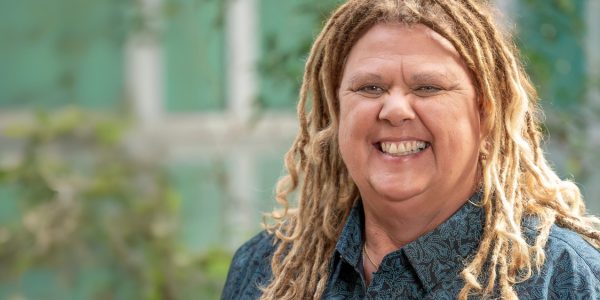
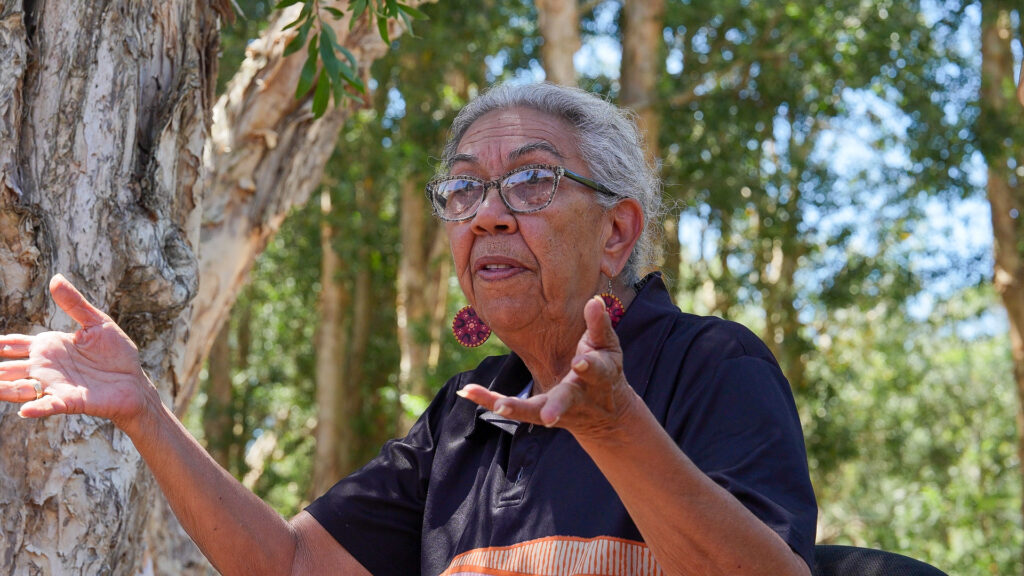
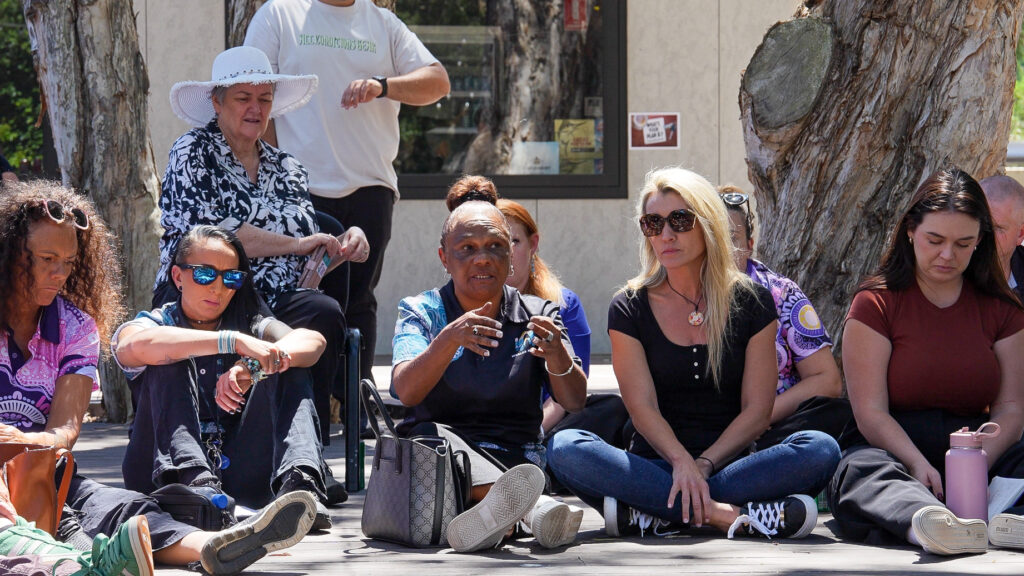
One of the most powerful moments unfolded outside, on the deck, sitting in a circle with Mob. The open-air setting created a culturally grounded space for truth-telling and deep listening. Aunty Deb Swan led the session with reflections anchored in lived experience and cultural authority.
She spoke about restoration as cultural survival — a responsibility carried by families, Elders and community. She reminded the group that the harms caused by child removal are ongoing, not historical, and that families continue to navigate systems that were not built for them. We started to conform to their ways… we are still assimilated in the way the government wants us to be,” she said. She described the harm caused when children lose culture, connection and belonging, insisting, “No matter what they do, they cannot reconnect our kids unless they give them back to us.”
Aunty Deb spoke with characteristic honesty and strength, challenging the ways ACCOs and communities have been pushed—often unconsciously—to conform to government systems. “She called for family-led processes from the very beginning, challenging the assumption that whole families are “a risk,” and urging workers to build genuine relationships:
Aunty Deb called for approaches led by culture, grounded in community leadership and strengthened by collective responsibility. The session left a strong impression across the forum.
Key sessions – Day Two
Day two offered a closed, culturally safe space for ACCOs and community members to speak with honesty about the pressures facing the sector, and the reforms needed to shift outcomes for Aboriginal children and families.
The morning opened with a focus on transitions, where Michaela Sullivan and Reshma Ali outlined the lack of formal guidelines governing the movement of Aboriginal children from DCJ and NGOs to ACCOs. Delegates heard that transitions remain inconsistent, discretionary and often blocked without clear justification, reinforcing the need for mandatory pathways and proper accountability. This was followed by a powerful outdoor session led by Aunty Deb Swan, with peer advocates Cassie Proctor and Chloe Hudson. Sitting together under the blue skies above Worimi Country, they yarned about the ongoing harms of child removal, the strength of peer advocacy, and the need for community-led, culturally anchored approaches to restoration.
The day then moved into broader discussions on the state of ACCO service delivery, including the heavy cultural load carried by staff, chronic underfunding, workforce strain and the pressure placed on services operating within systems not designed with community in mind. Despite these barriers, delegates reflected on the resilience and cultural strength that continue to define ACCO practice across NSW.
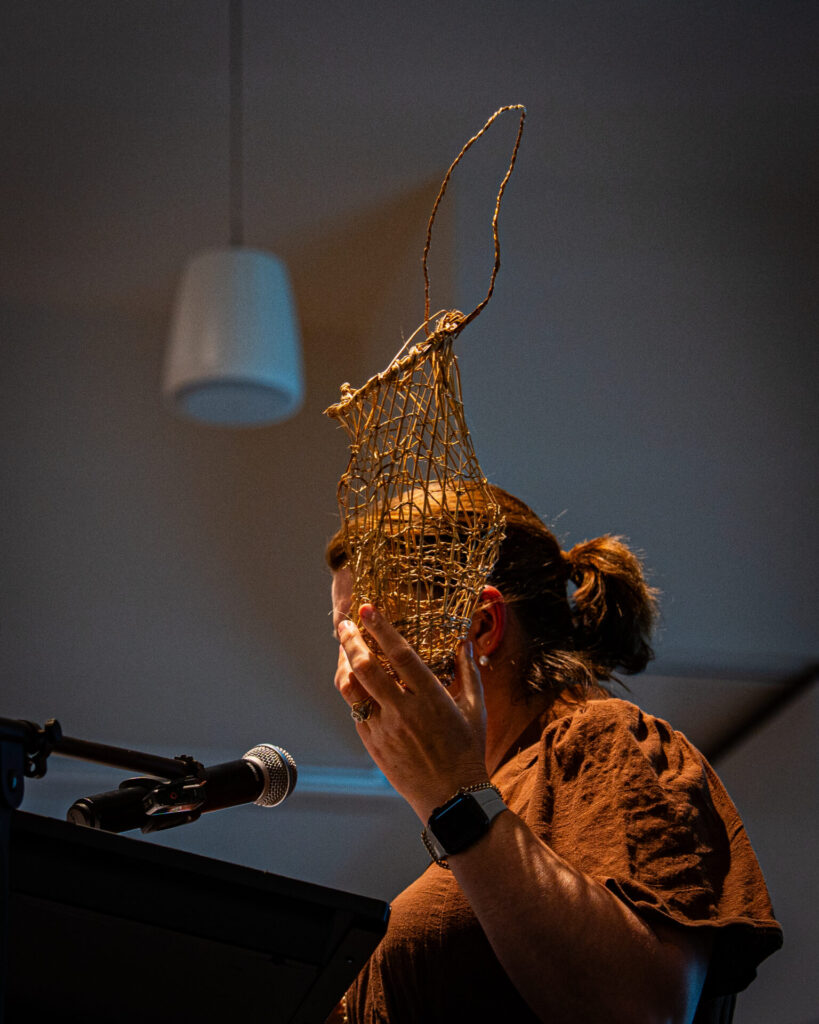
A significant part of the day was the session led by AbSec CEO John Leha, joined by Gemma McKinnon and Professor Paul Gray, who set out the case for an independent Child Safety and Wellbeing Commission. They highlighted the fragmentation and lack of accountability across existing oversight bodies and made clear that only an Aboriginal-led Commission with real authority can address the structural failures currently harming Aboriginal children. Their message reinforced that accountability, mandatory transitions, community-led decision-making and strong cultural authority must anchor future reform.
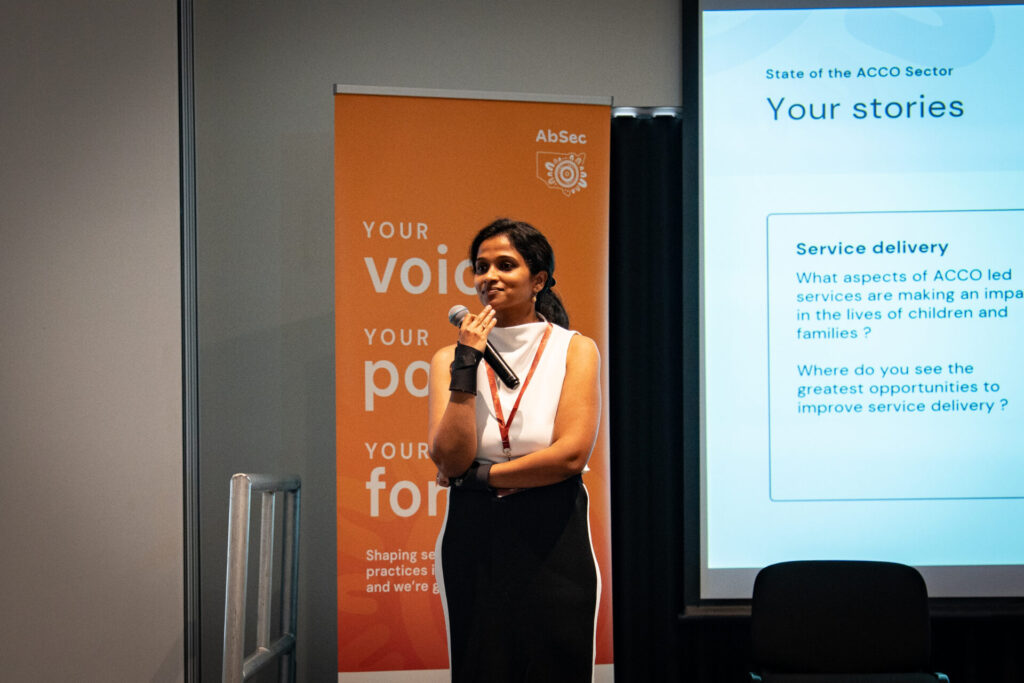
AbSec Policy Officer, Dr Shiny Varghese, shared an update on the State of the Sector data, highlighting the resilience of ACCOs despite chronic underfunding, workforce pressure and cultural load. She outlined ongoing issues such as underpaid travel, late contract announcements and limited brokerage funding, while noting ACCO strengths in cultural connection and trusted, community-led support.
Rachael Ward and David Cockatoo-Collins then provided an update on the full review of the Working with Children Check Act, outlining proposed changes to risk assessments, national alignment and data processes. They stressed the need for culturally safe reform and confirmed statewide consultations to ensure Aboriginal voices shape the final recommendations.
Across the two days, delegates engaged deeply with the urgent issues shaping our sector — transitions, restoration, housing, accountability, funding inequities and the need for culturally strong, community-led systems. Lived experience, advocacy and policy insight sat side by side, highlighting both the challenges and the strength held across our communities.
The gathering closed with a sense of momentum and collective responsibility, grounded in culture and a shared determination to build a future where Aboriginal children grow up safe, connected and surrounded by community and culture.