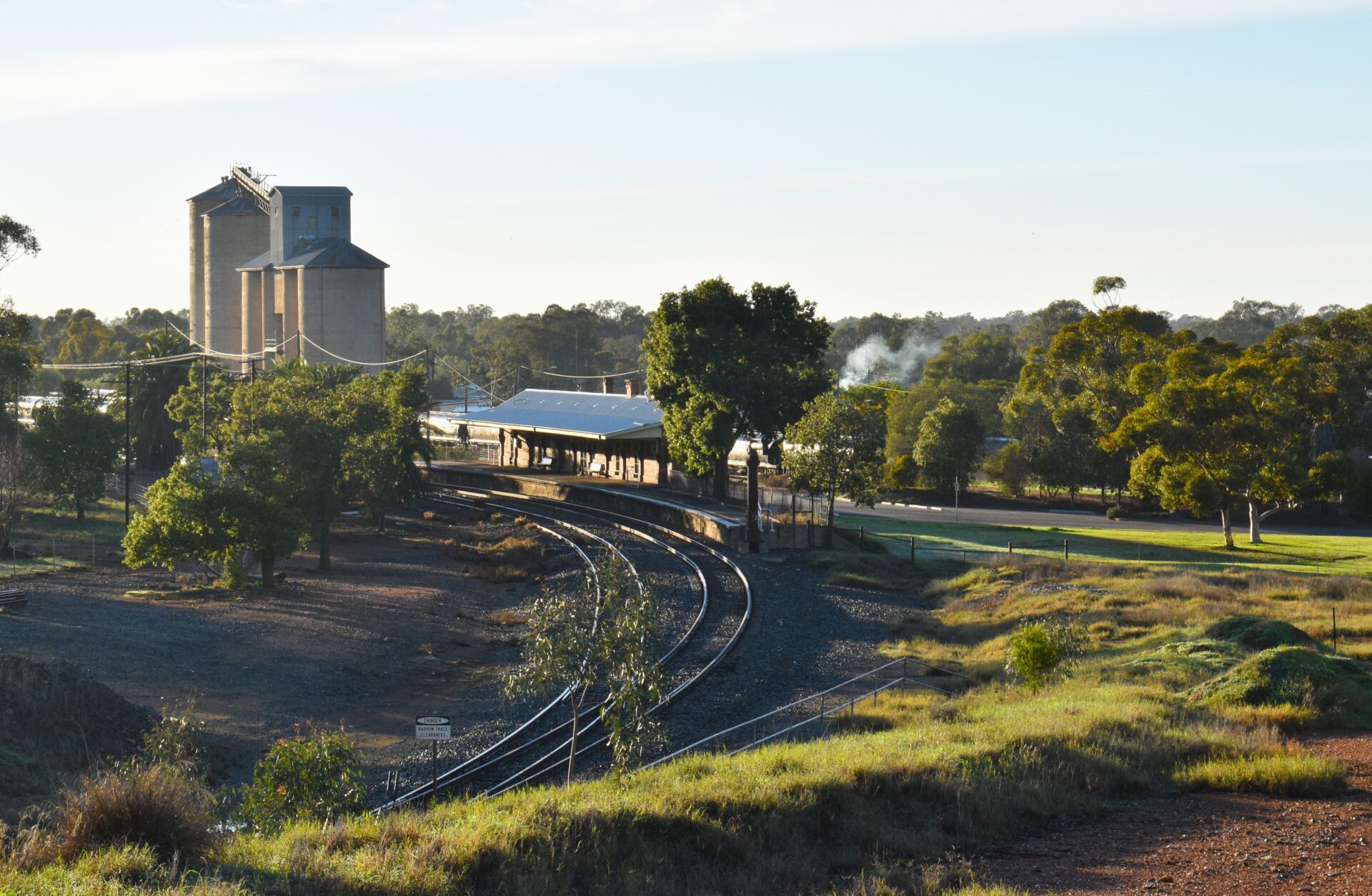

On 16 June 2026, two landmark initiatives came to life on Wiradjuri Country in Western NSW: the establishment of a new Aboriginal Community-Controlled Mechanism (ACCM) and the launch of Aboriginal-led Commissioning (ALC) services in Condobolin. Both initiatives signal something important: when Aboriginal communities are trusted to lead, we build something to shape our own future.
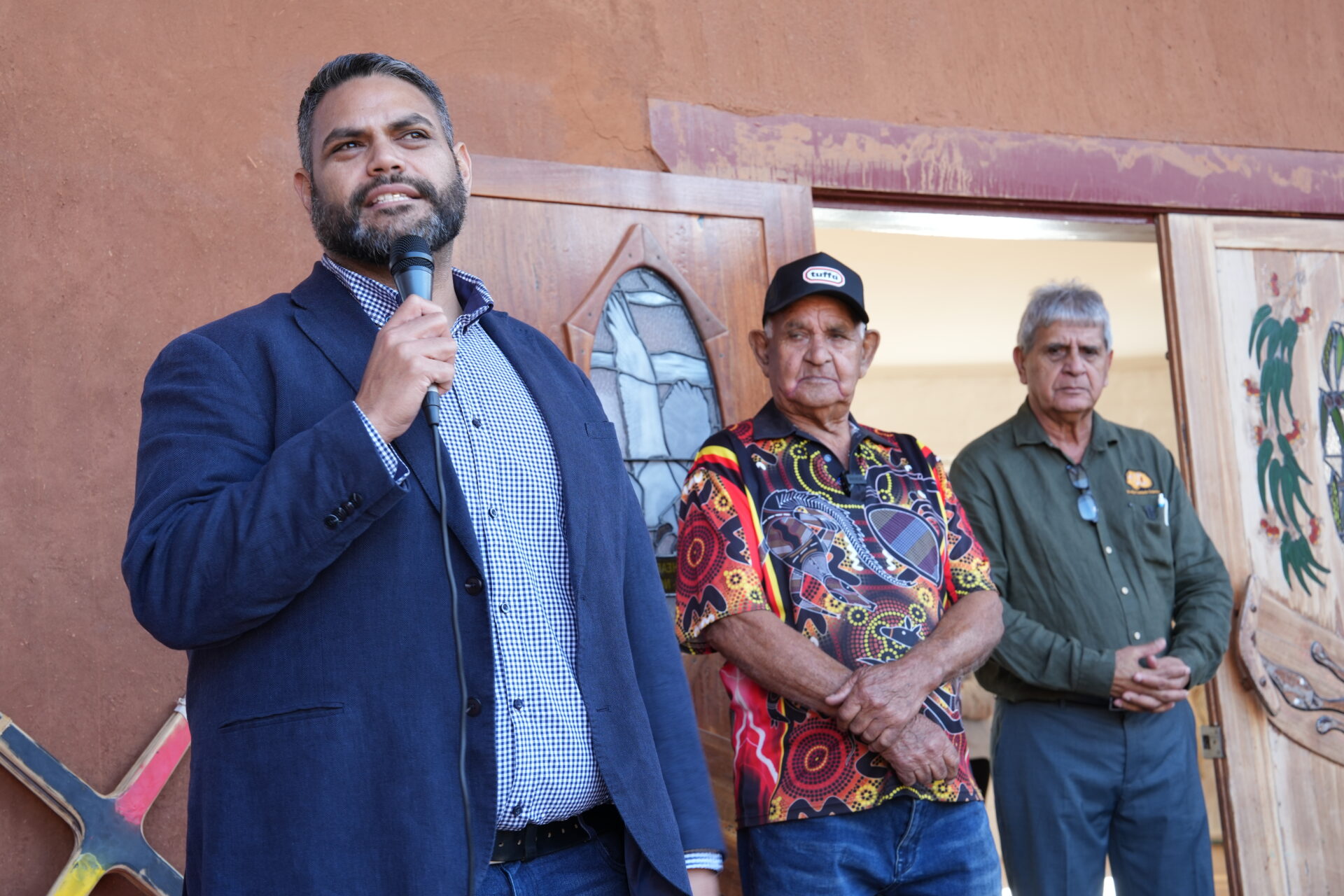
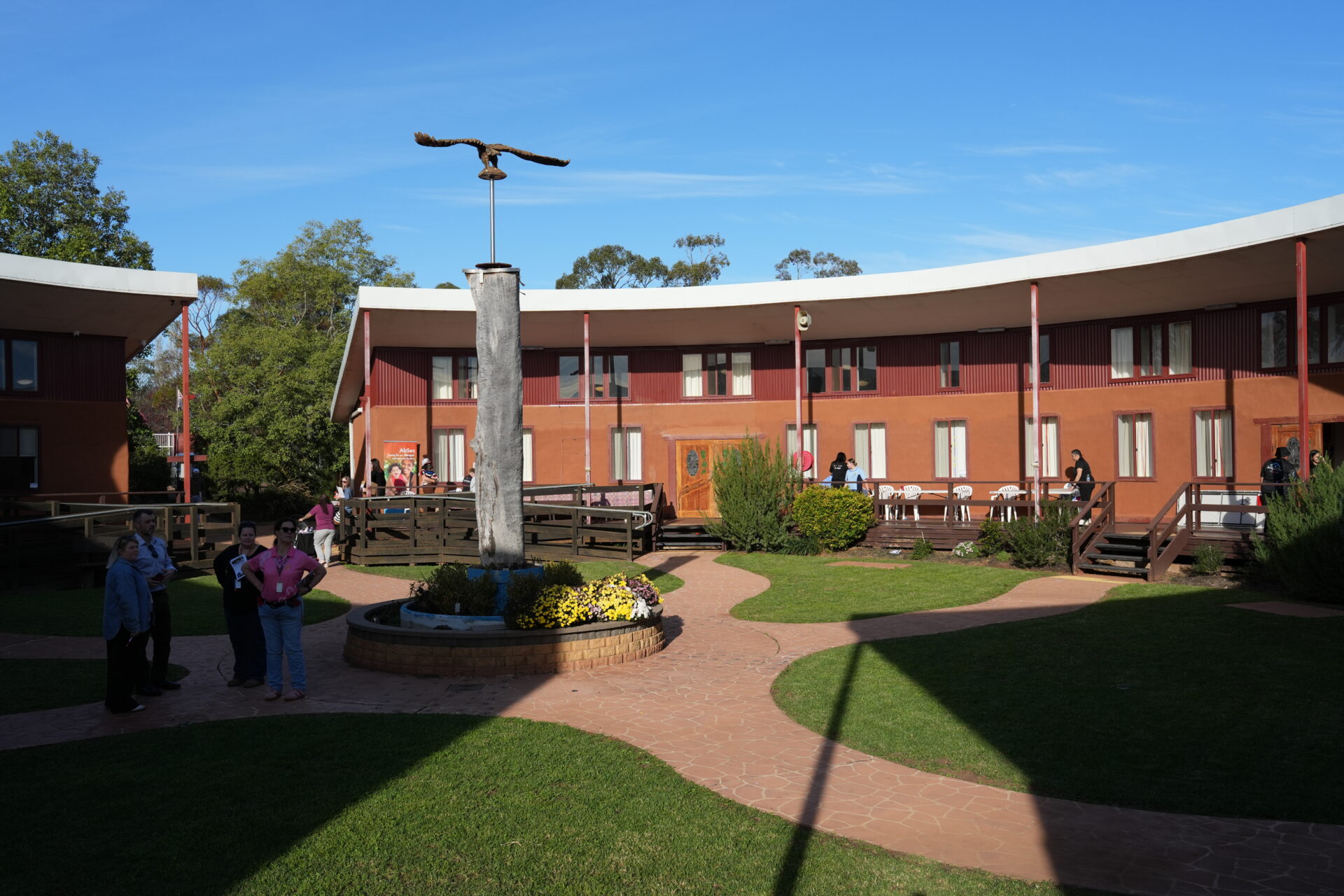
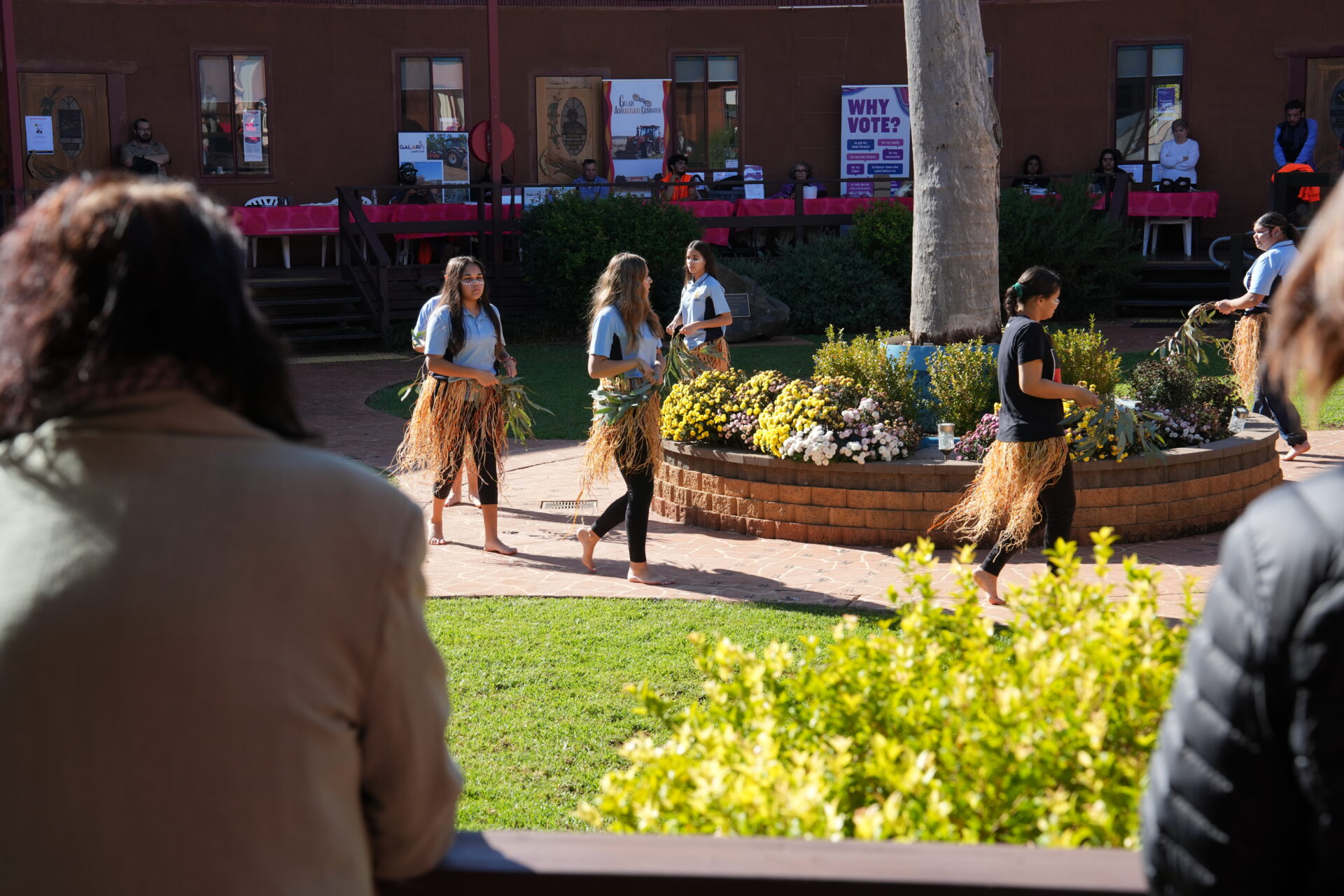
Under the blue skies of Wiradjuri Country, the launch opened with Wiradjuri Elder Uncle Dick welcoming all to Country. His Welcome, authentic and grounded, set the tone for a day that focused on place, culture and community.
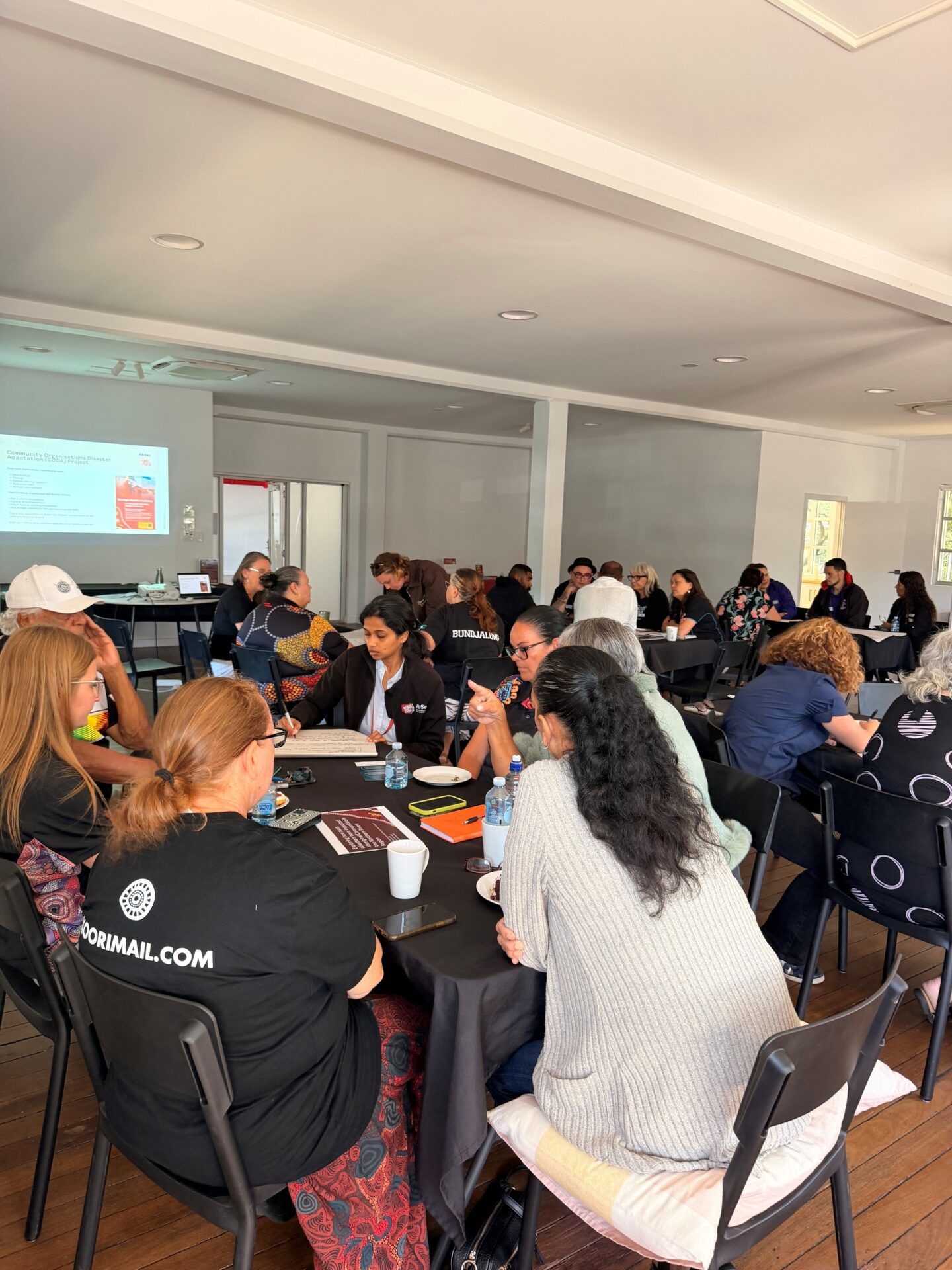
The strong attendance reflected the depth of community involvement that has shaped the work from the beginning. Many of those present had contributed to the conversations, workshops and yarning sessions that identified local priorities and informed the design of the services now being delivered, reflecting a clear sense of ownership.
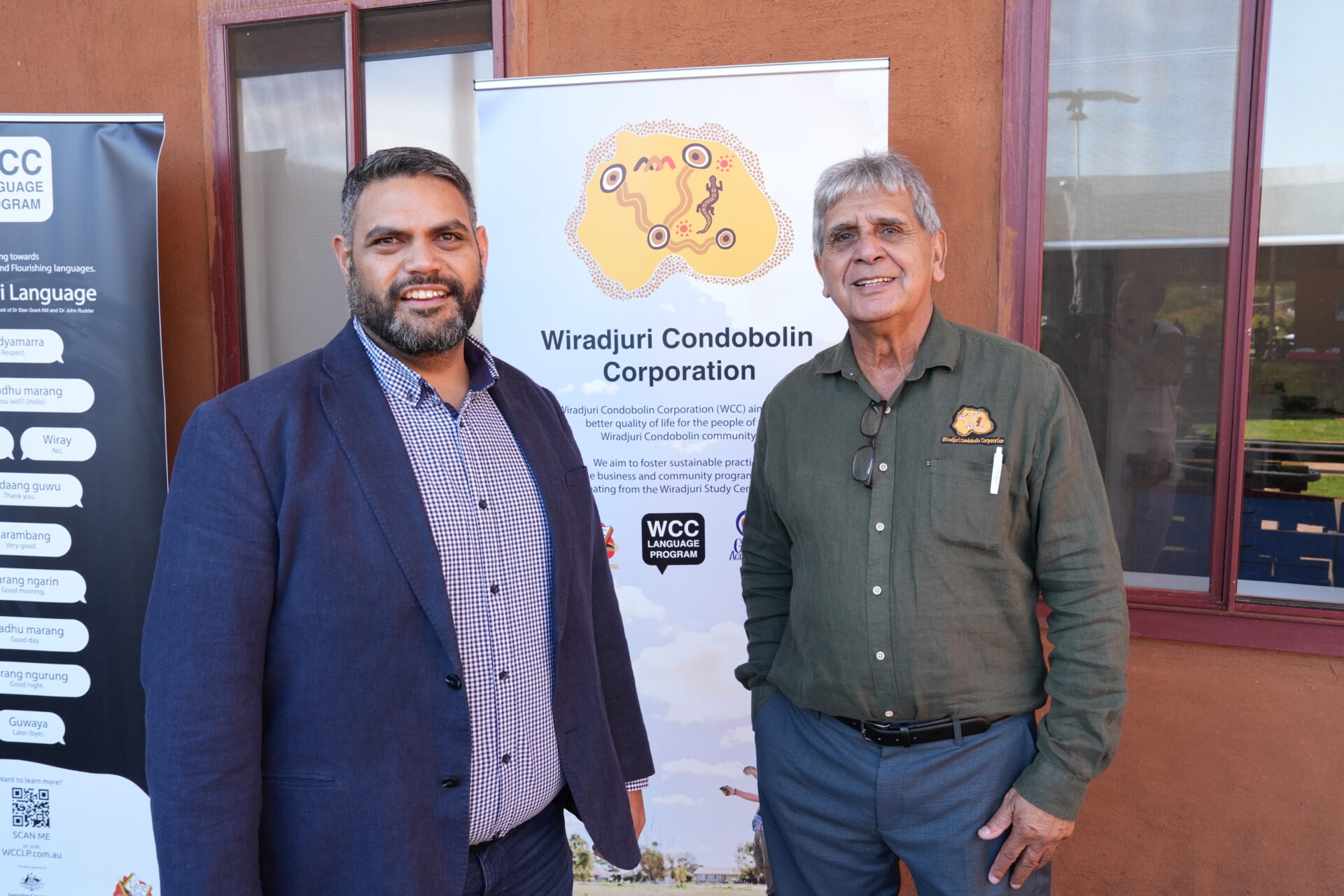
The launch marked an important milestone for the Wiradjuri Condobolin Corporation (WCC), which has led the local development of the initiative alongside community. The work has been shaped through genuine partnership — between AbSec and WCC at the strategic level, and between WCC and local Elders, families, young people and organisations at the community level. That partnership structure is essentially the Aboriginal-led Commissioning Framework and only works when the relationships that underpin it are genuine, sustained and built on mutual trust and shared accountability.
Wiradjuri Condobolin Corporation CEO Ally Coe reflected on what these services mean for connection within Condobolin, between families and services, but also between the organisations themselves. “The strength of this program lies in what it creates between organisations — deep collaboration our community has long needed and that our children and families deserve.”
AbSec CEO John Leha spoke to the importance of local services being designed and managed by the Aboriginal organisations that know their communities best — organisations with the relationships, the cultural authority and the lived understanding to shape responses that are actually fit for purpose. He was clear that this is not about AbSec directing from the centre, but about investing in the capacity of local ACCOs and community governance structures to lead and self-determine their own future solutions.
The Aboriginal Community-Controlled Mechanisms (ACCMs) bring together local governance, Elders, emerging leaders and community members under an Aboriginal-controlled structure with the authority to shape local priorities and drive local solutions. In Condobolin, that structure has three founding members at its heart — local women who put their hands up to ensure their community’s voices and lived experiences shape the services that matter most to Aboriginal children and families on Wiradjuri Country.
John highlighted the importance of Aboriginal and Torres Strait Islander communities acting as cultural authorities and practitioners on Country, and what that means in practice. “Across NSW, it is Aboriginal women — grandmothers, aunties and nans — who have come together to ensure their voices, their experiences are at the heart of the responses to the needs of our communities and families”, said John, who then acknowledged the Condobolin ACCM and its three founding members — Marion, Tenille and Rebecca — and the weight of their commitment. “Being part of the care continuum is not easy work. When you talk about living with the vicarious trauma, that has impacted Aboriginal people over time, it’s no longer about talking about what’s wrong, it’s about being part of the solution.” The recognition of these three women, and what they continue to give to their community, landed with quiet power.
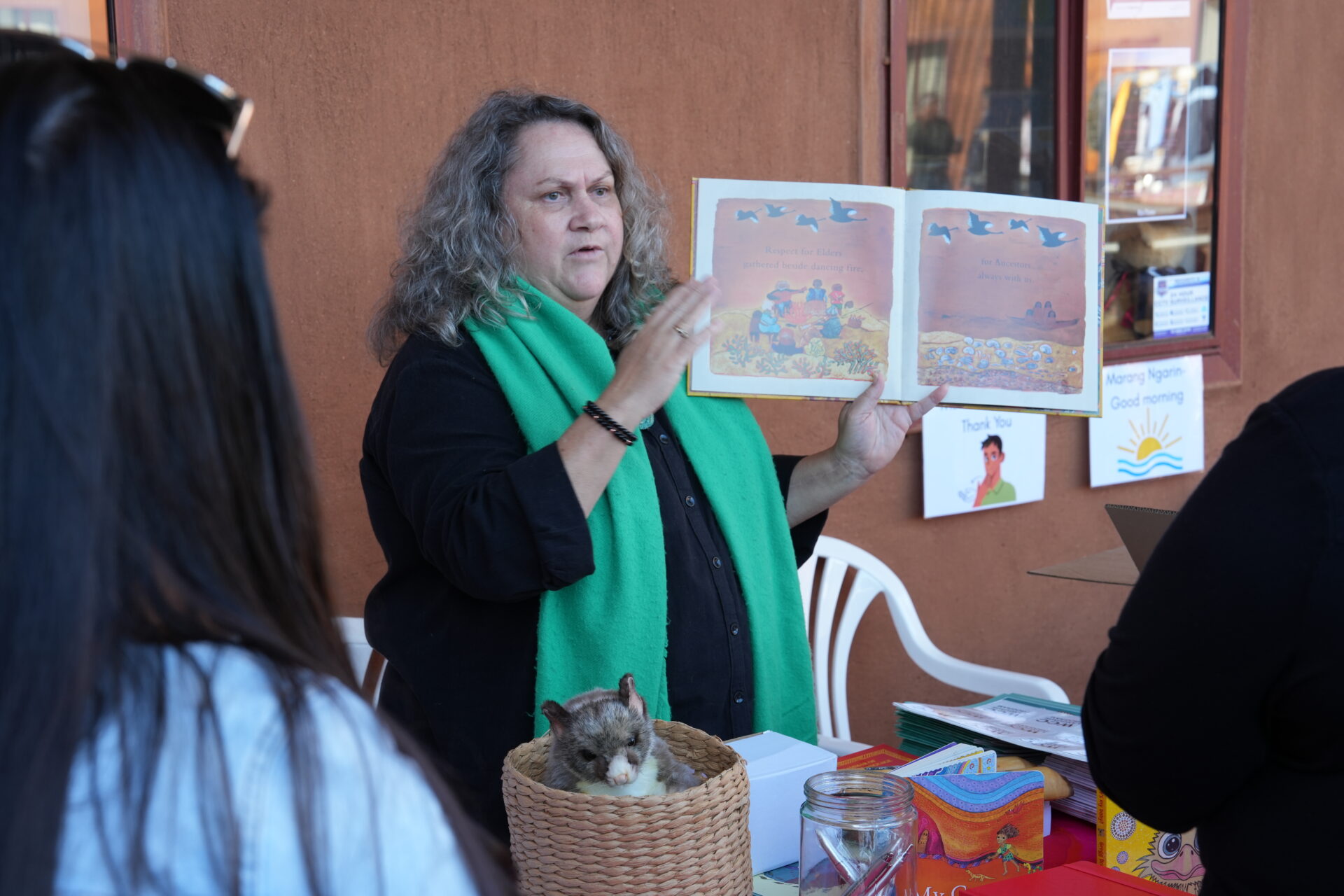
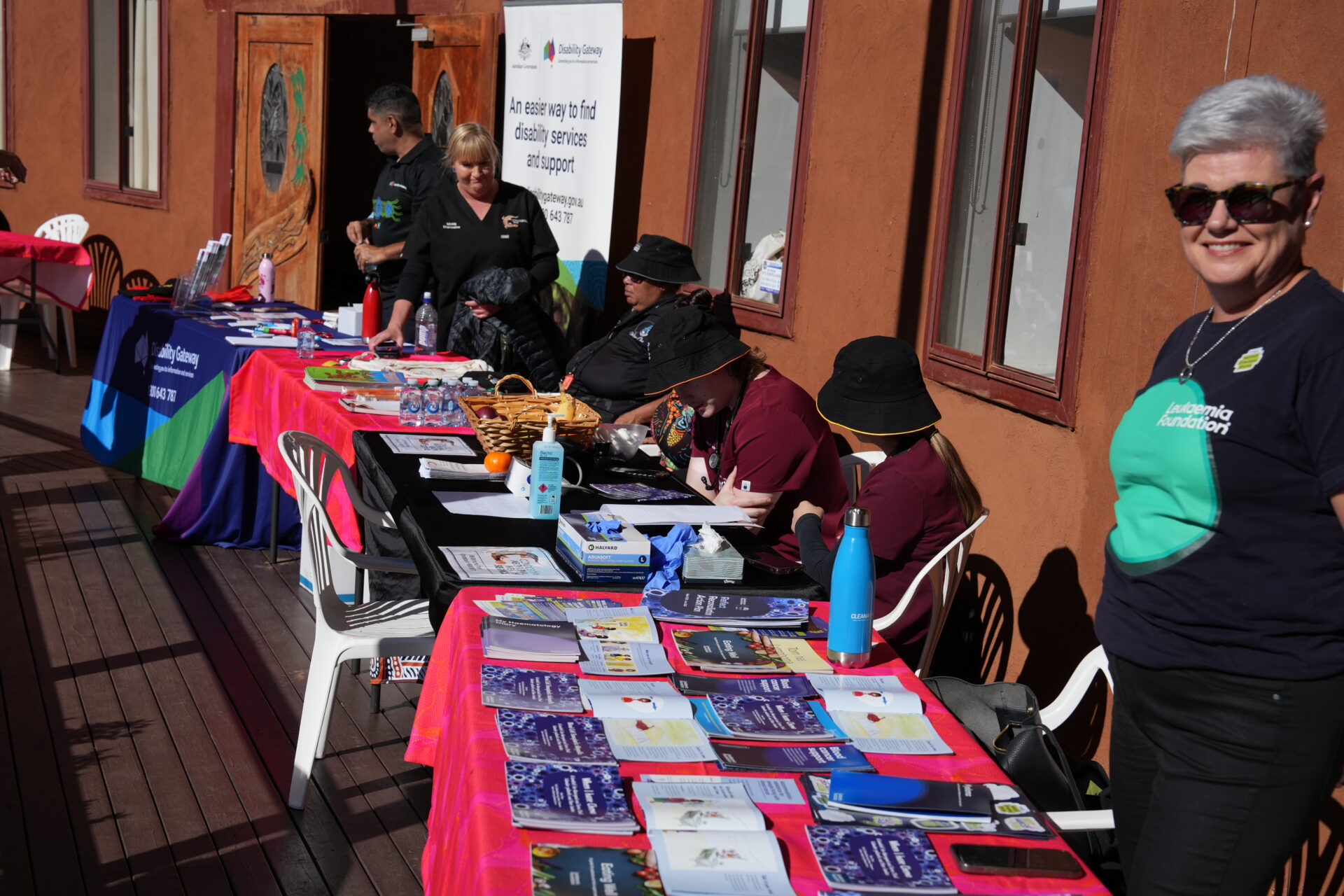
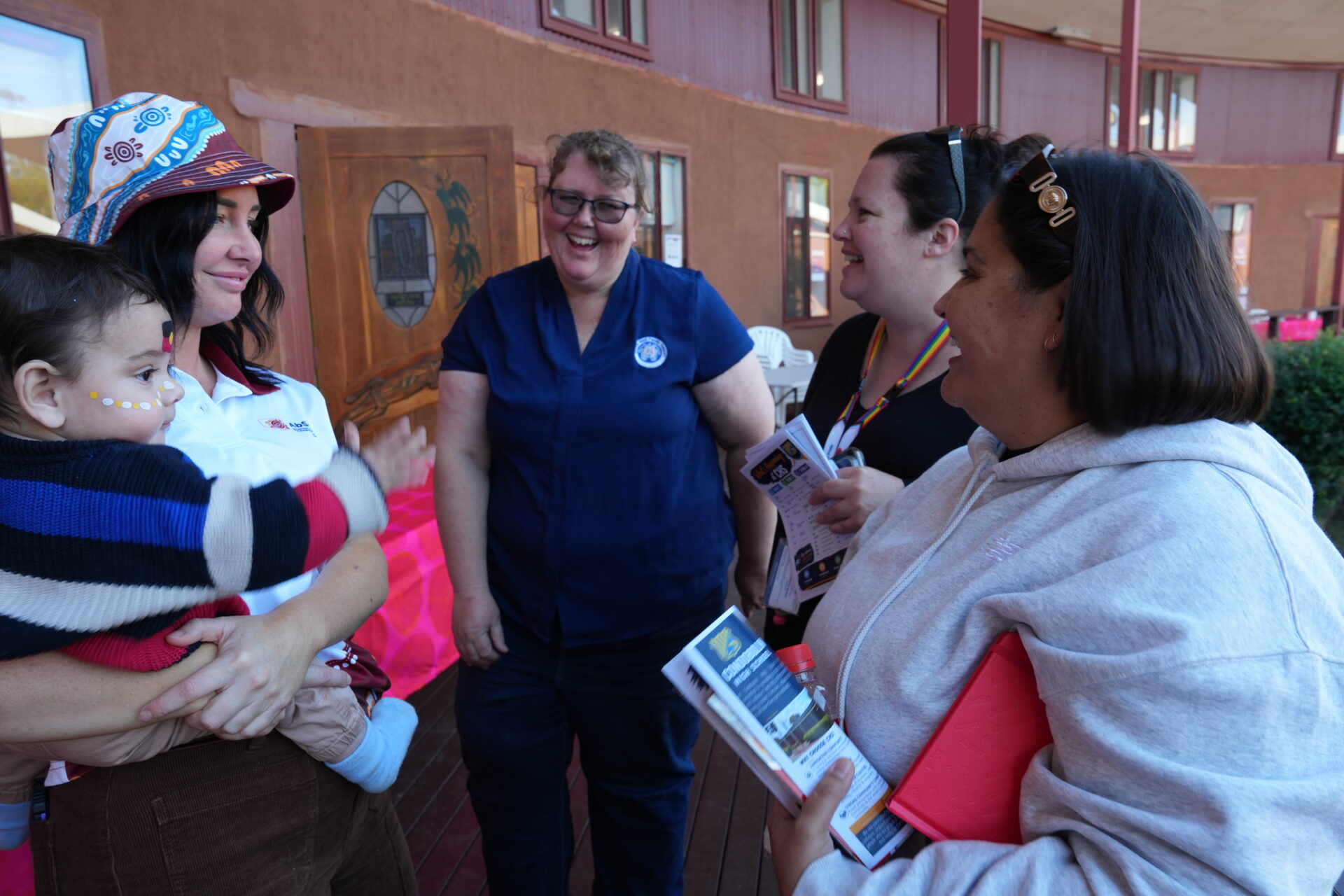
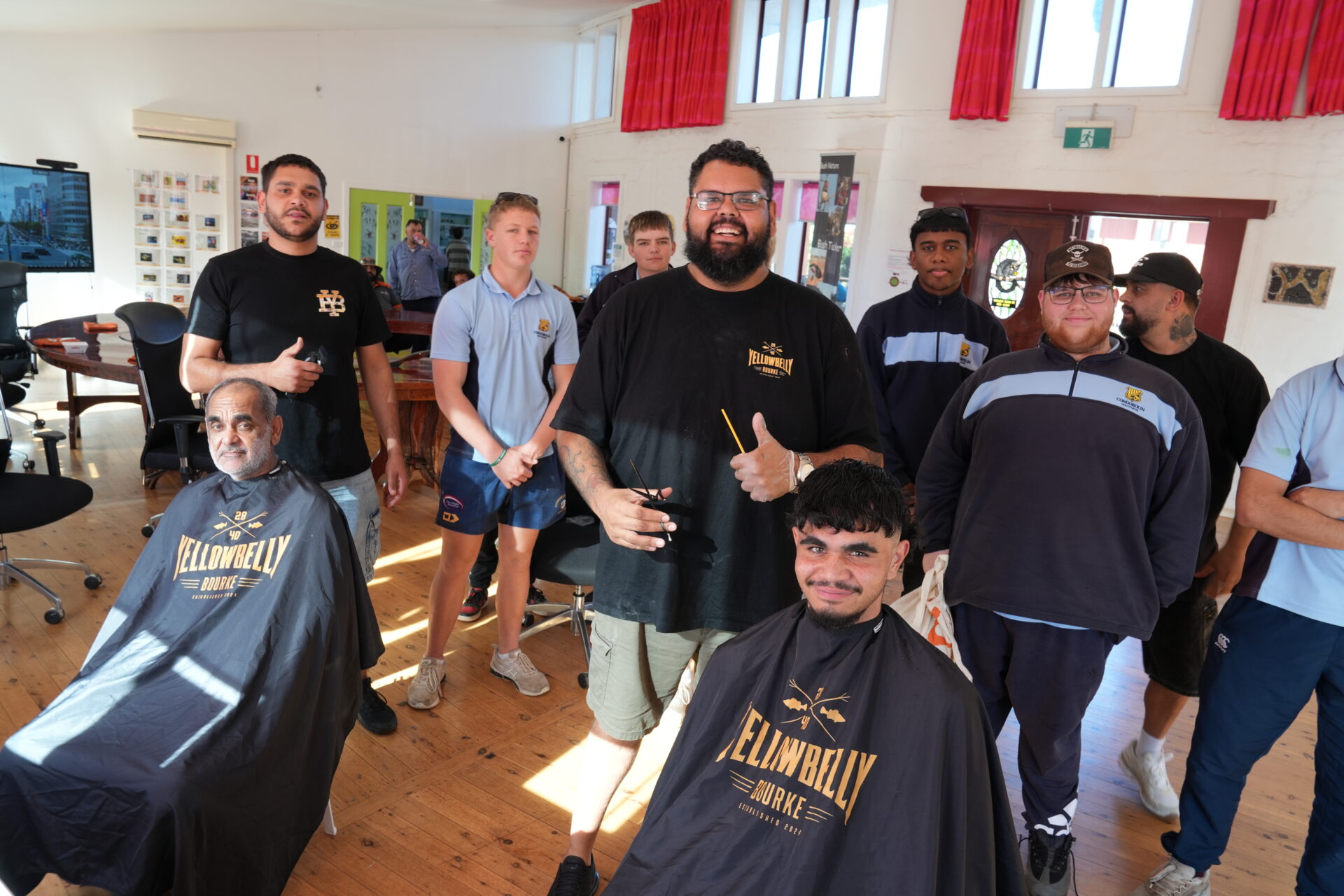
Students from the local public schools brought the event to life, visiting stalls, getting their hair cut by the traveling barber service, having their faces painted and yarning with each other between activities. Around them, families shared food, Elders caught up in the afternoon sun and local organisations connected with community members. It felt like community — and that, more than anything, reflected what the day was really about.
As the afternoon drew to a close, conversations continued between community members, local organisations and service providers. New relationships were formed, existing partnerships were strengthened and a shared commitment to children and families remained at the centre of every discussion.