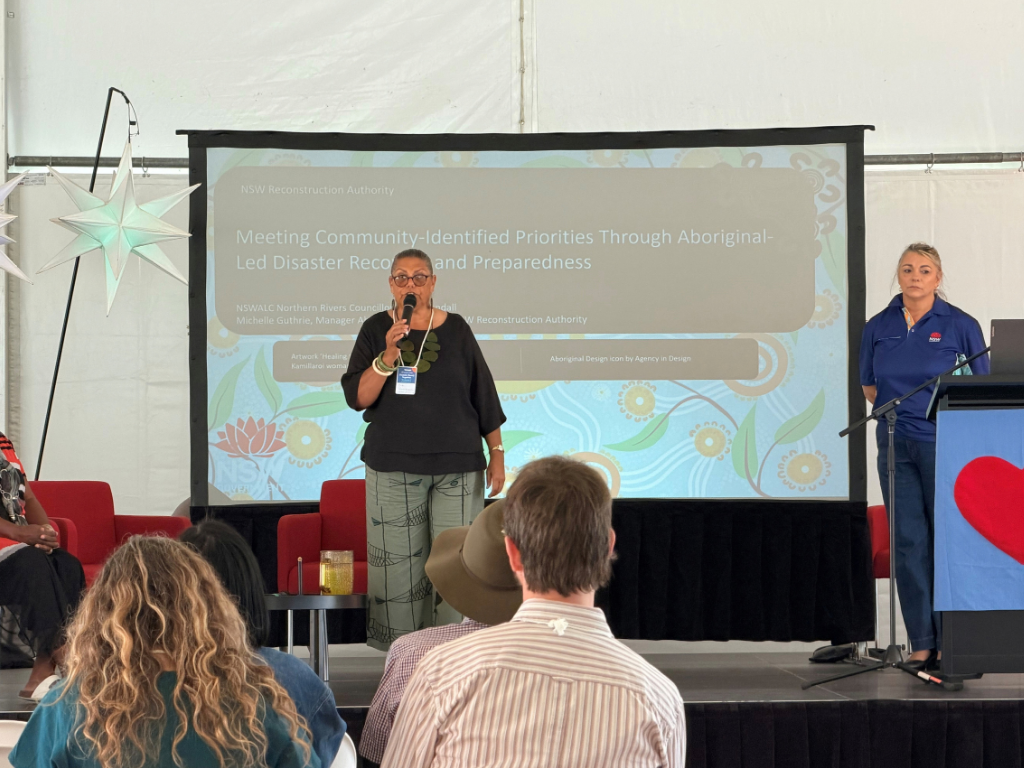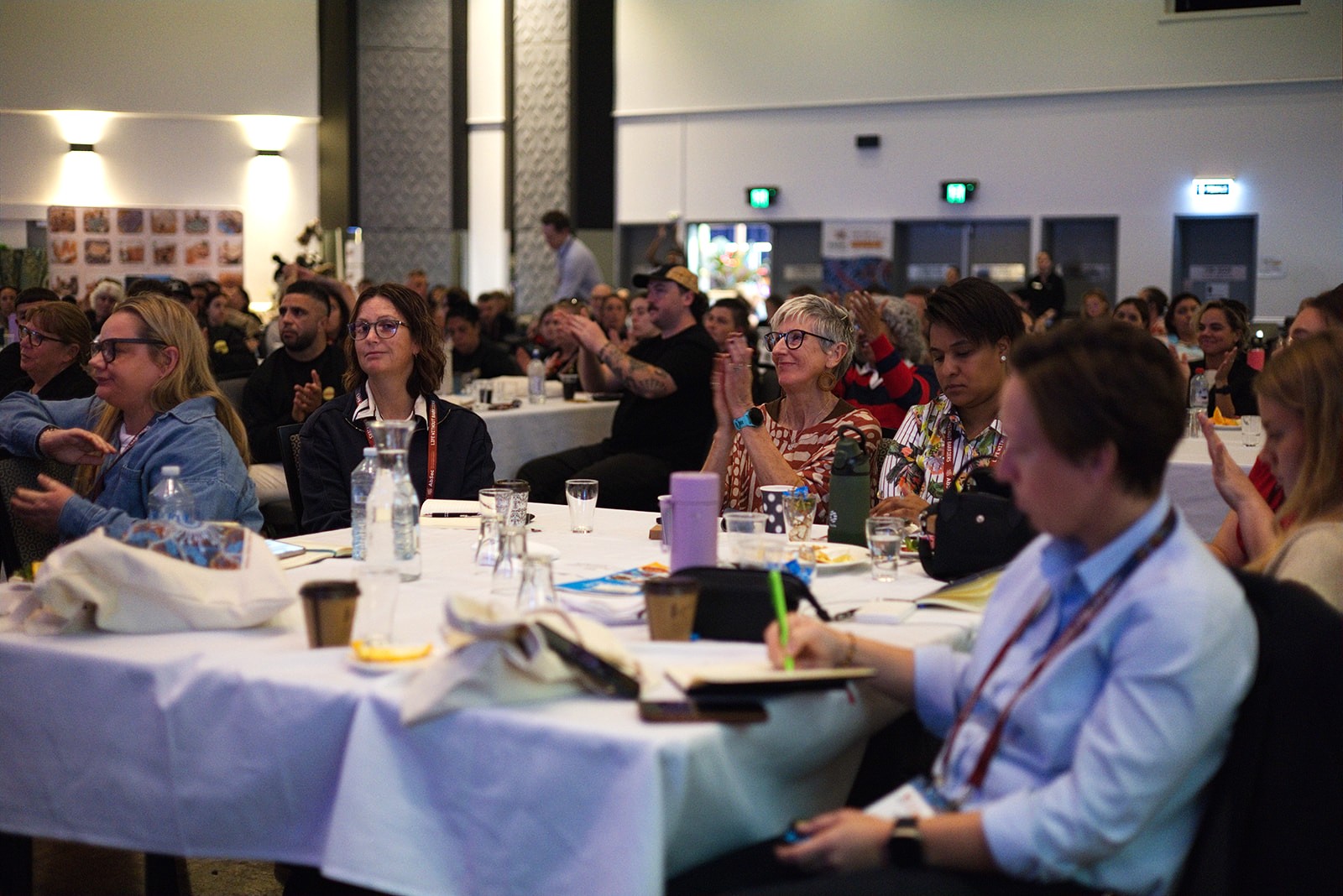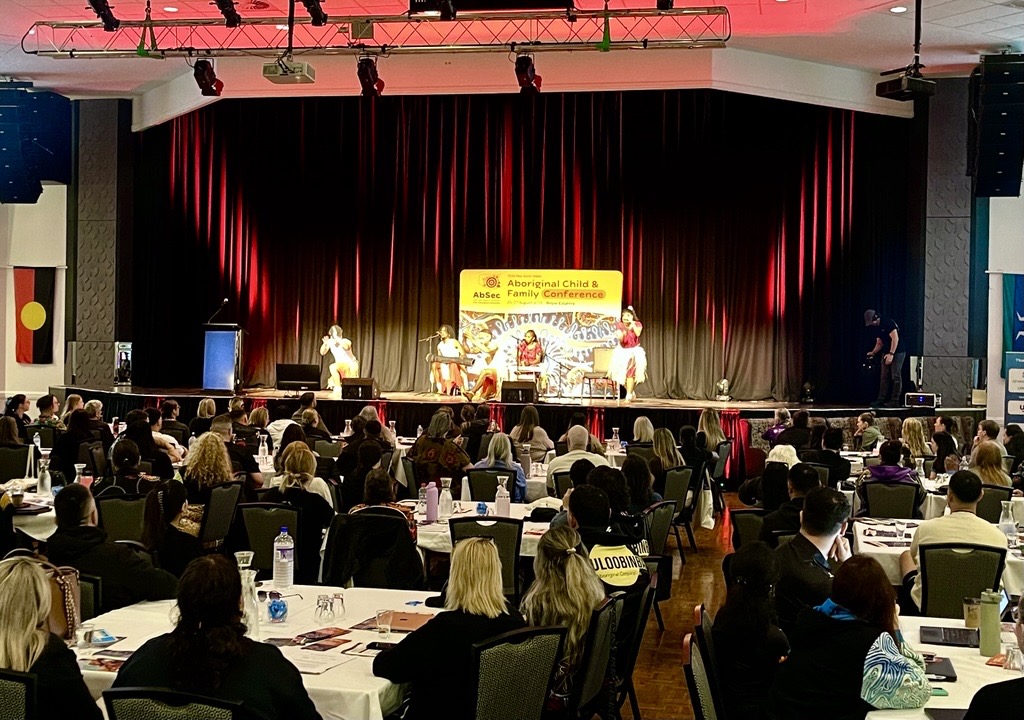

Three days, 60 sessions, over 400 people and one message that one carried throughout the Conference on Birpai Country: to ensure Aboriginal and Torres Strait Islander children stay safe and connected to family and culture, as a sector we must be stronger together.
That was the spirit of the 2026 NSW Aboriginal Child & Family Conference, hosted by AbSec on Birpai Country from 25 to 27 August. Under the theme Stronger Together: Uniting Voices, Empowering Futures, the gathering brought sector leaders, carers, researchers, young people and community members together for a program grounded firmly in truth-telling, self-determination and culture.
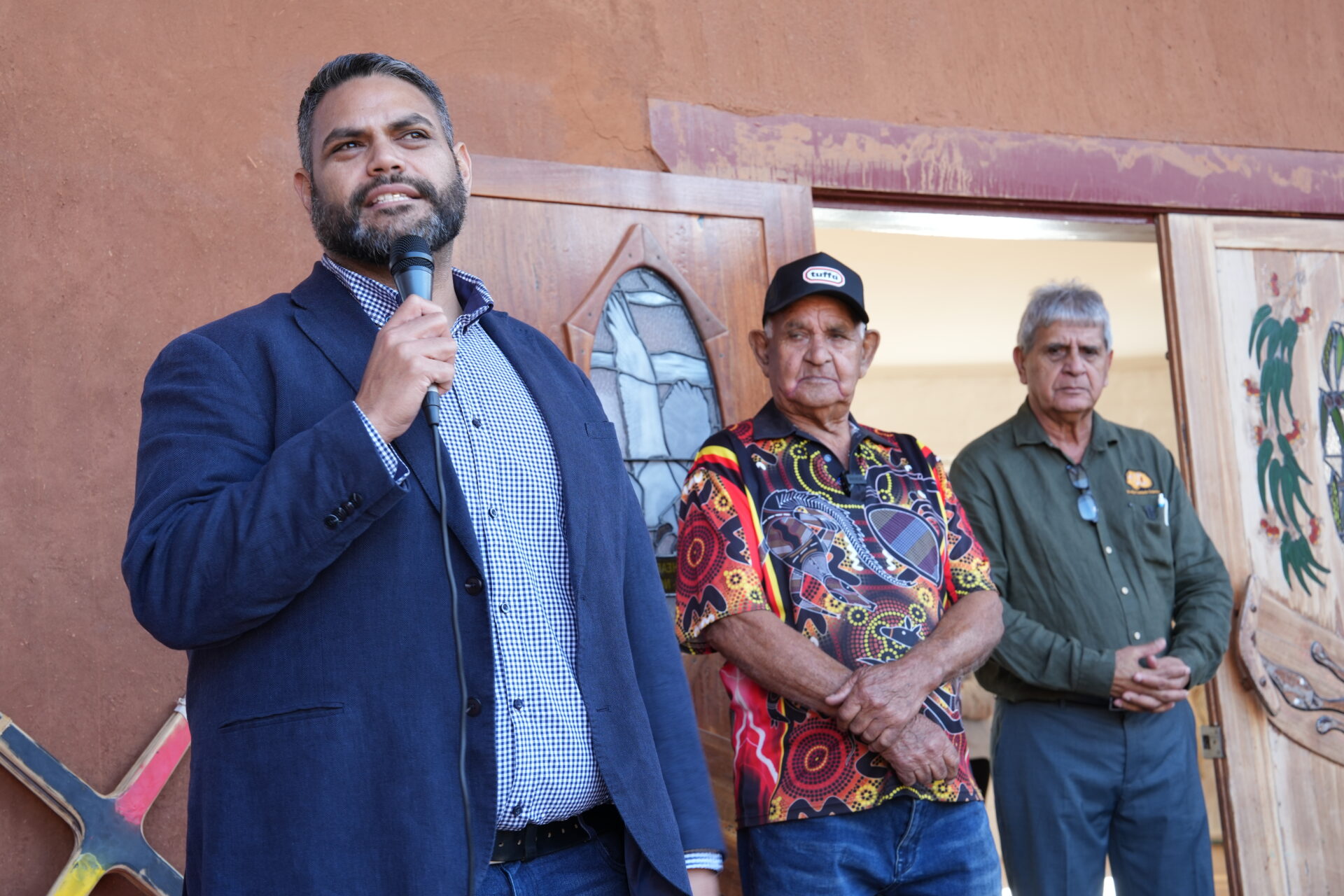
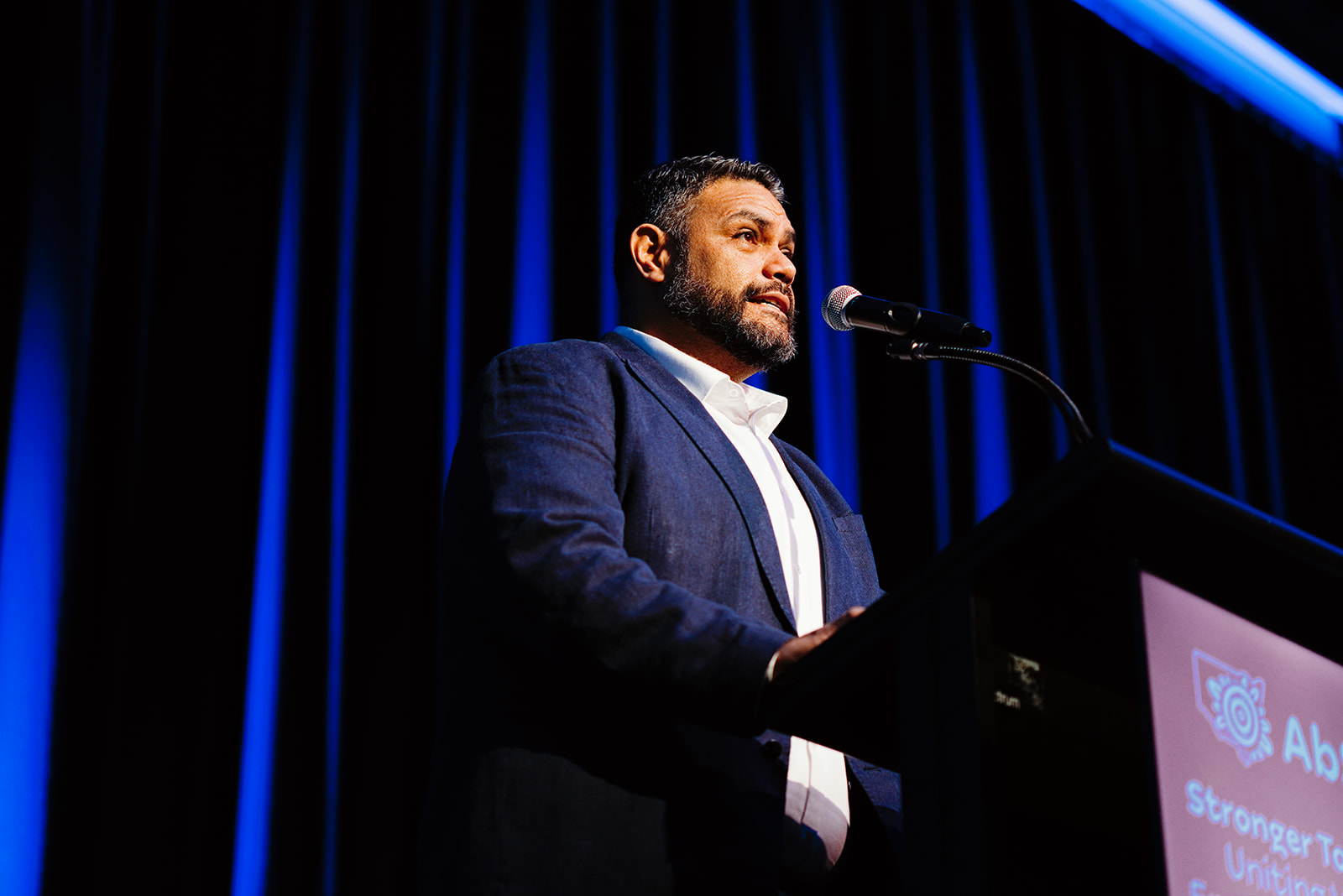
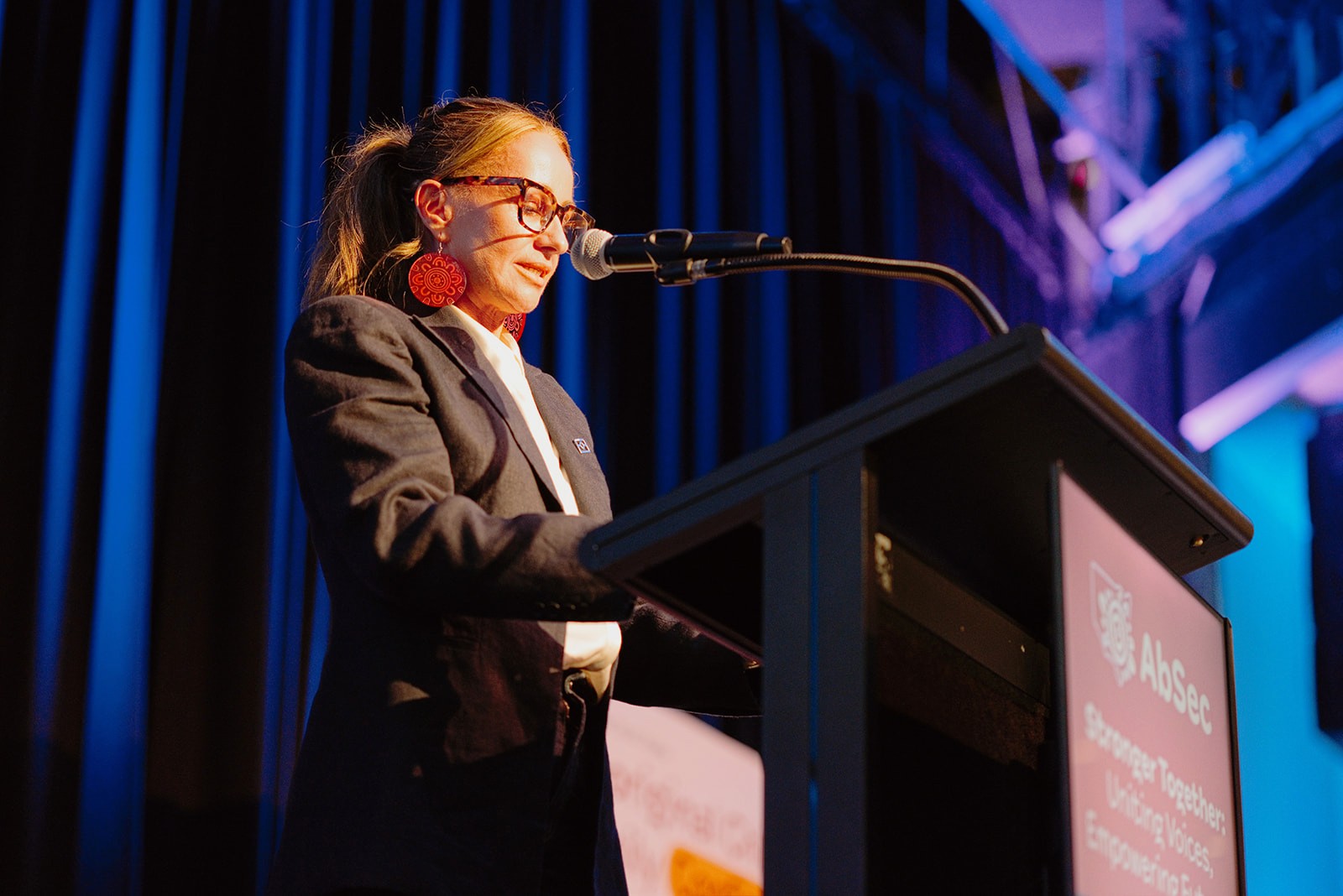
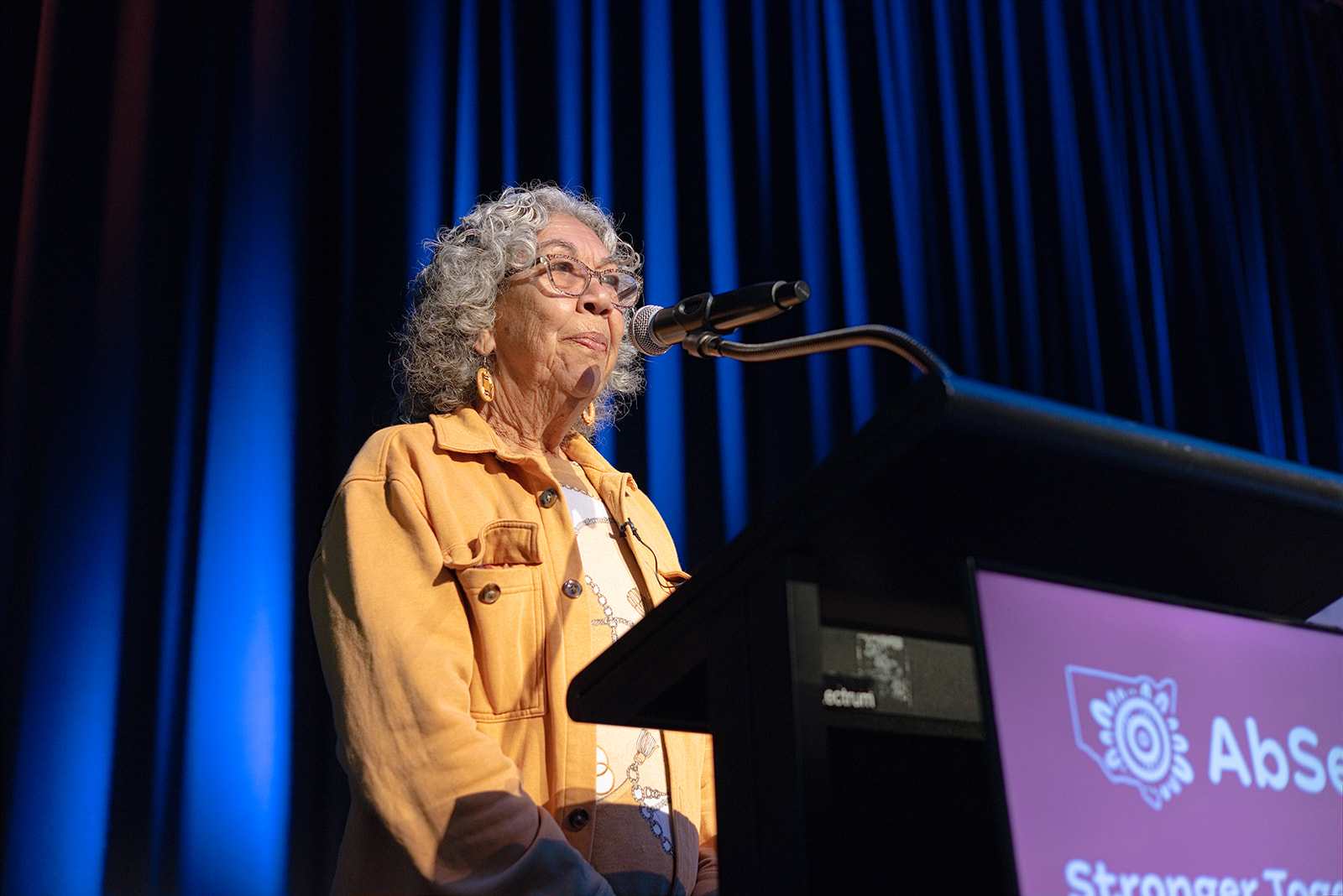
AbSec CEO John Leha said the scale of attendance reflected both the strength of the sector and growing recognition that fundamental reform cannot wait. “There is something incredibly special about bringing more than 400 people together on Birpai Country with a shared commitment to our children and families. AbSec is incredibly proud to create that space — to unite our sector, bring together different voices and experiences, and have the conversations that need to happen. What we heard over these three days was remarkably consistent. Our communities know what keeps our children safe. We have strong Aboriginal organisations, growing evidence and solutions already working on the ground. The challenge now is whether governments are prepared to back those solutions with the authority, resources and accountability needed to make them work at scale.”
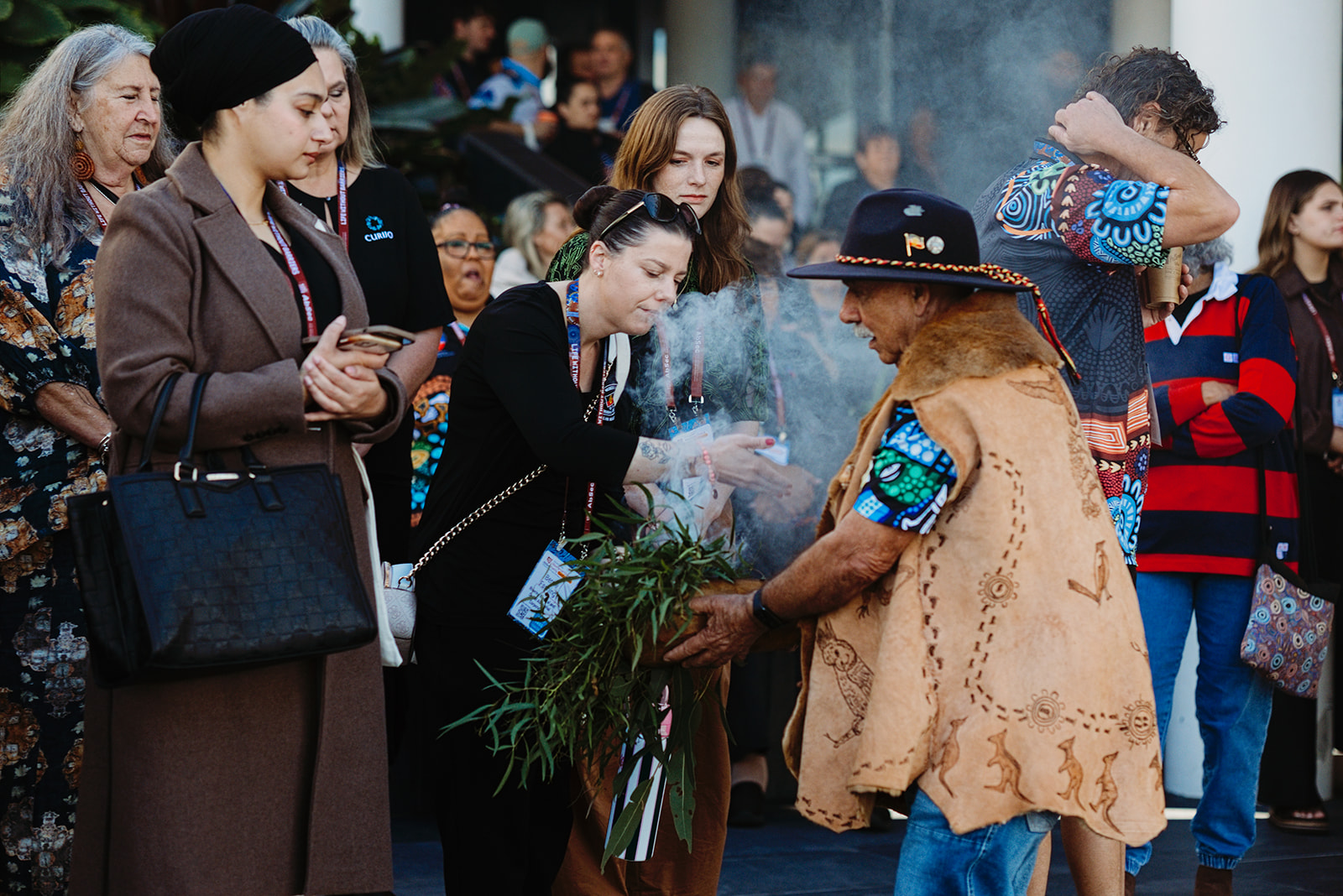
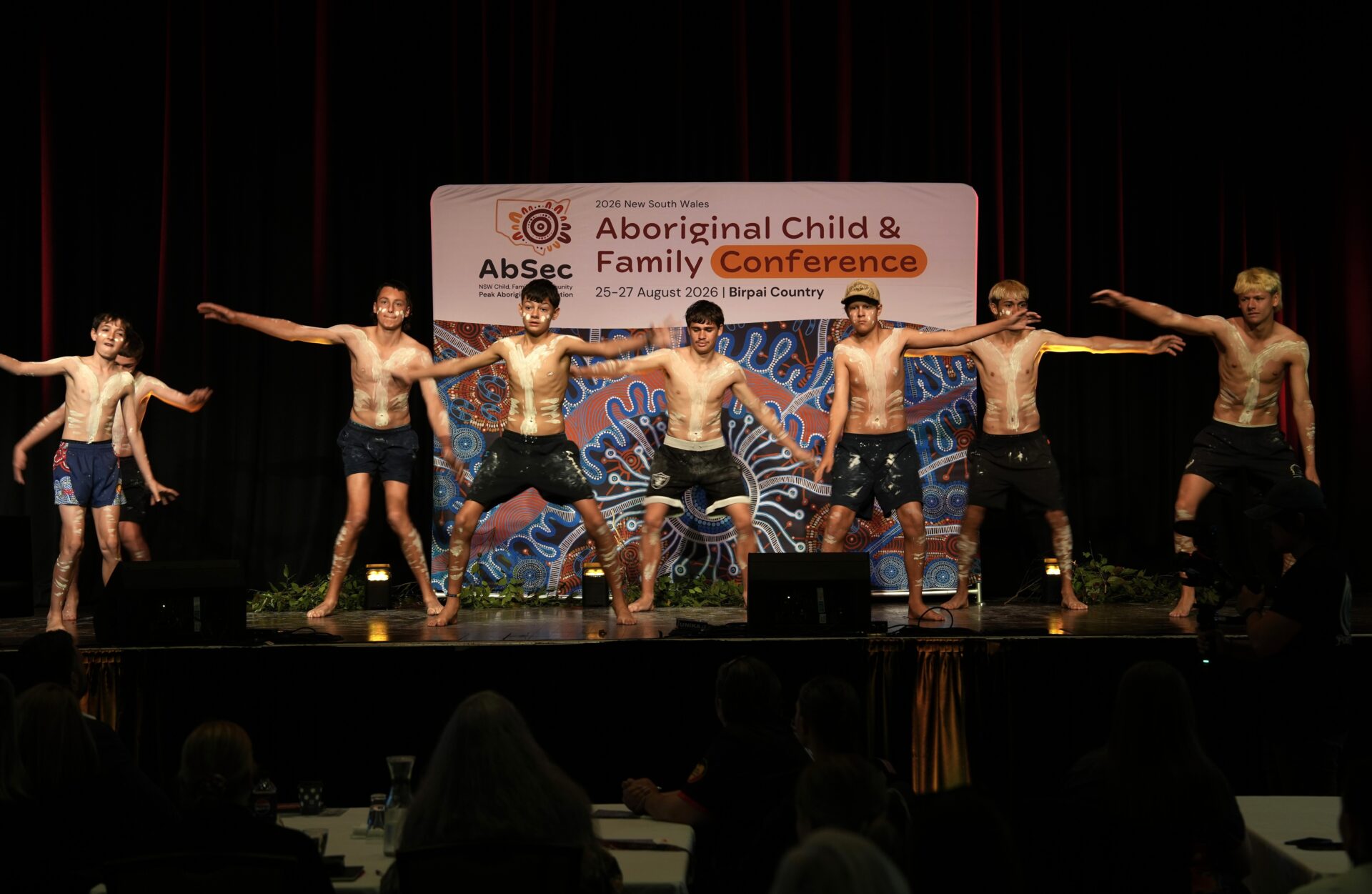
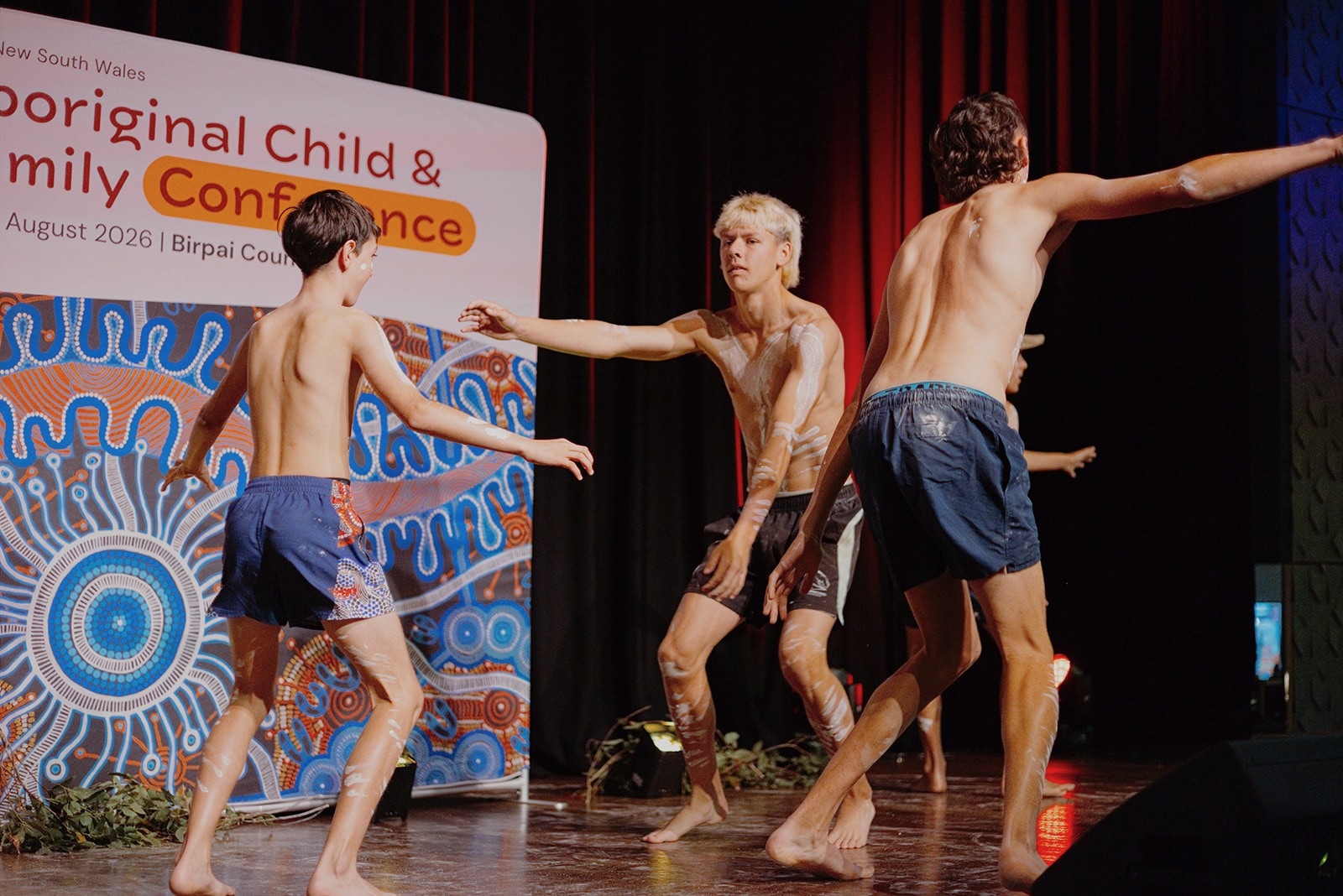
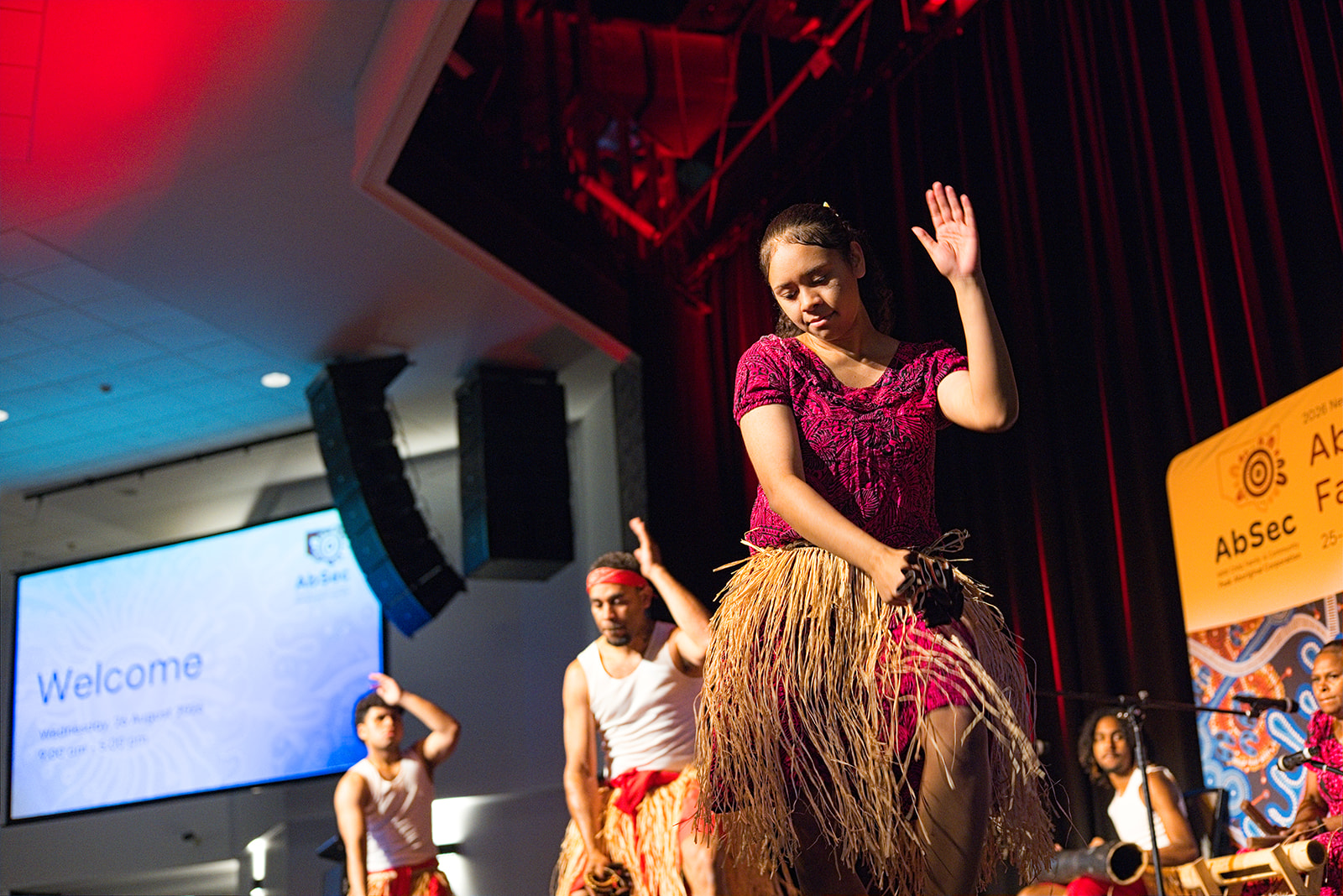
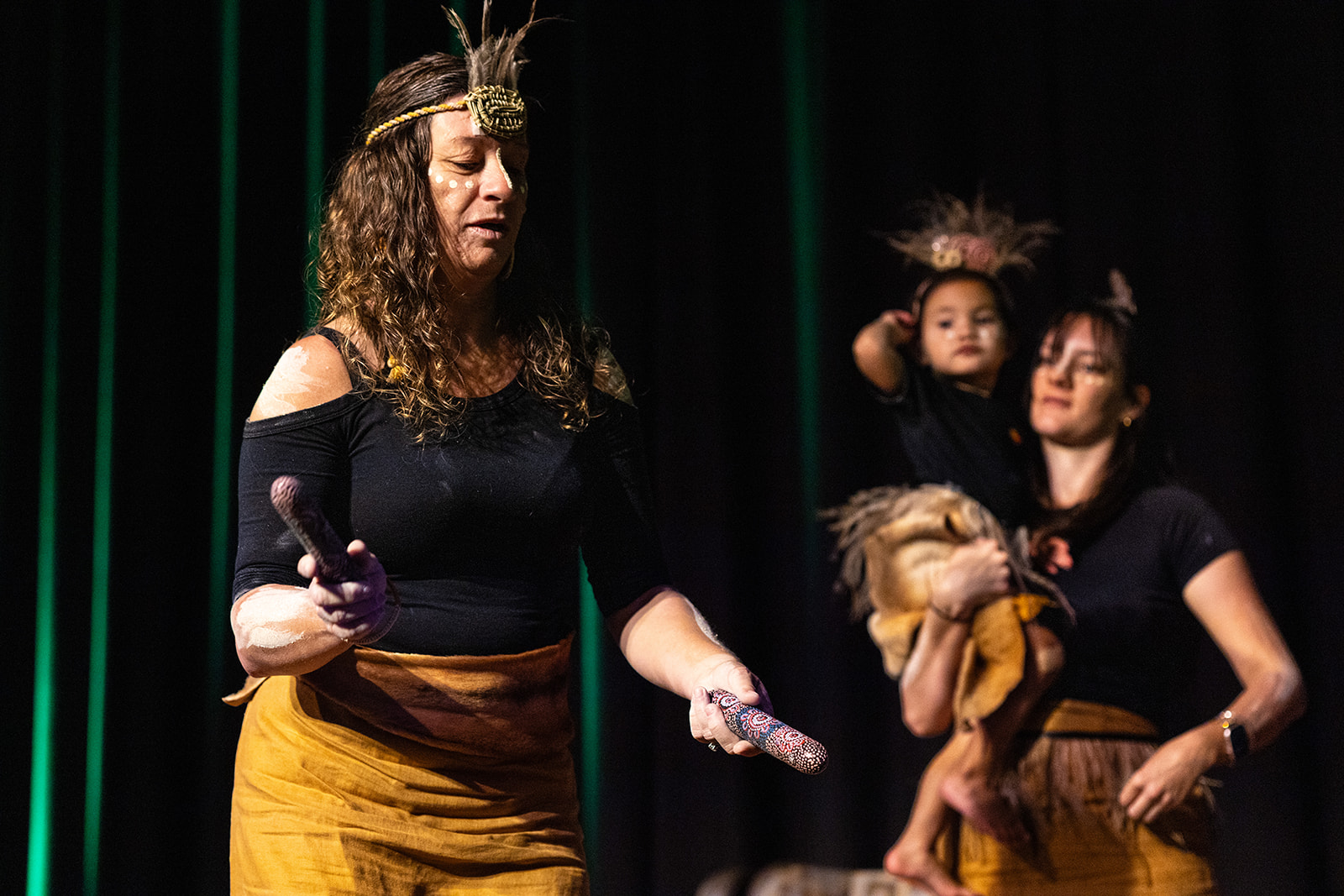
The conference opened with Uncle Bill O’Brien’s Welcome to Country, followed by a performance from the Yapun.Yapun Biingay dancers of Wauchope High School. AbSec CEO John Leha then set the tone for the three days ahead, saying “in New South Wales, our children are removed from their homes at more than 11 times the rate of non-Aboriginal children and we have the worst level of reuniting our children with their families in the country and levels of reunification or restoration are getting worse. These are our babies…. our kids. Our nieces and nephews, our future leaders and Elders. What they represent is another Stolen Generation, unfolding in real time… in front of our eyes.”
National Commissioner for Aboriginal and Torres Strait Islander Children and Young People, Sue-Anne Hunter, delivered a keynote on the importance of the Aboriginal and Torres Strait Islander Child Placement Principle in keeping children connected to family and culture. The commissioner reminded us that the evidence for change is already there. Reviews such as Family Is Culture have driven important legislative reform, including the requirement for government to make active efforts that are purposeful, thorough and timely when working with Aboriginal children and families.
In reference to NSW, the Commissioner noted that “legislation alone has not delivered the transformation our children and families need. The system remains fragmented, with gaps in accountability and coordination across government and non-government services.” She also acknowledged the urgent need for an independent NSW Child Safety and Wellbeing body as an independent statutory authority.
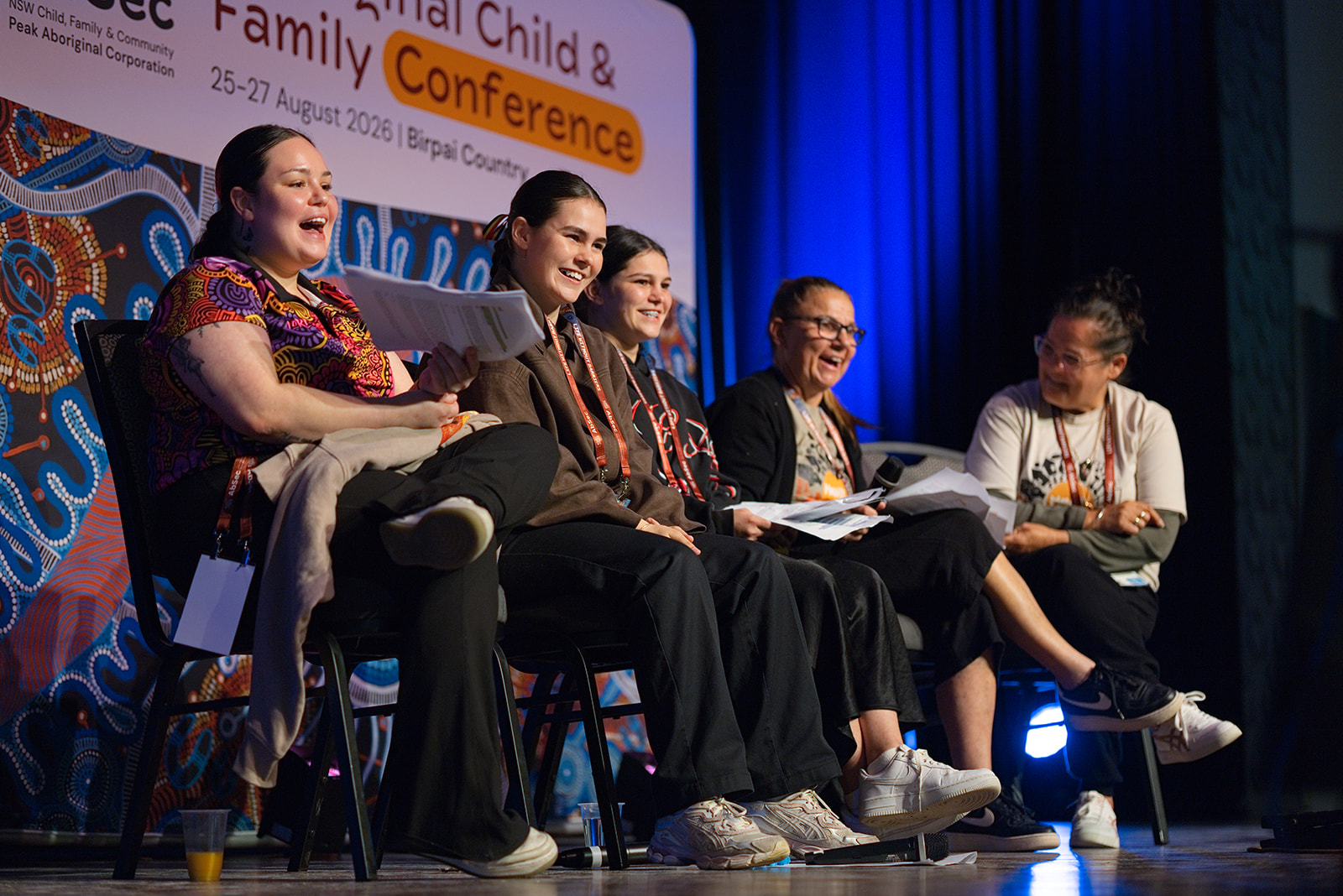
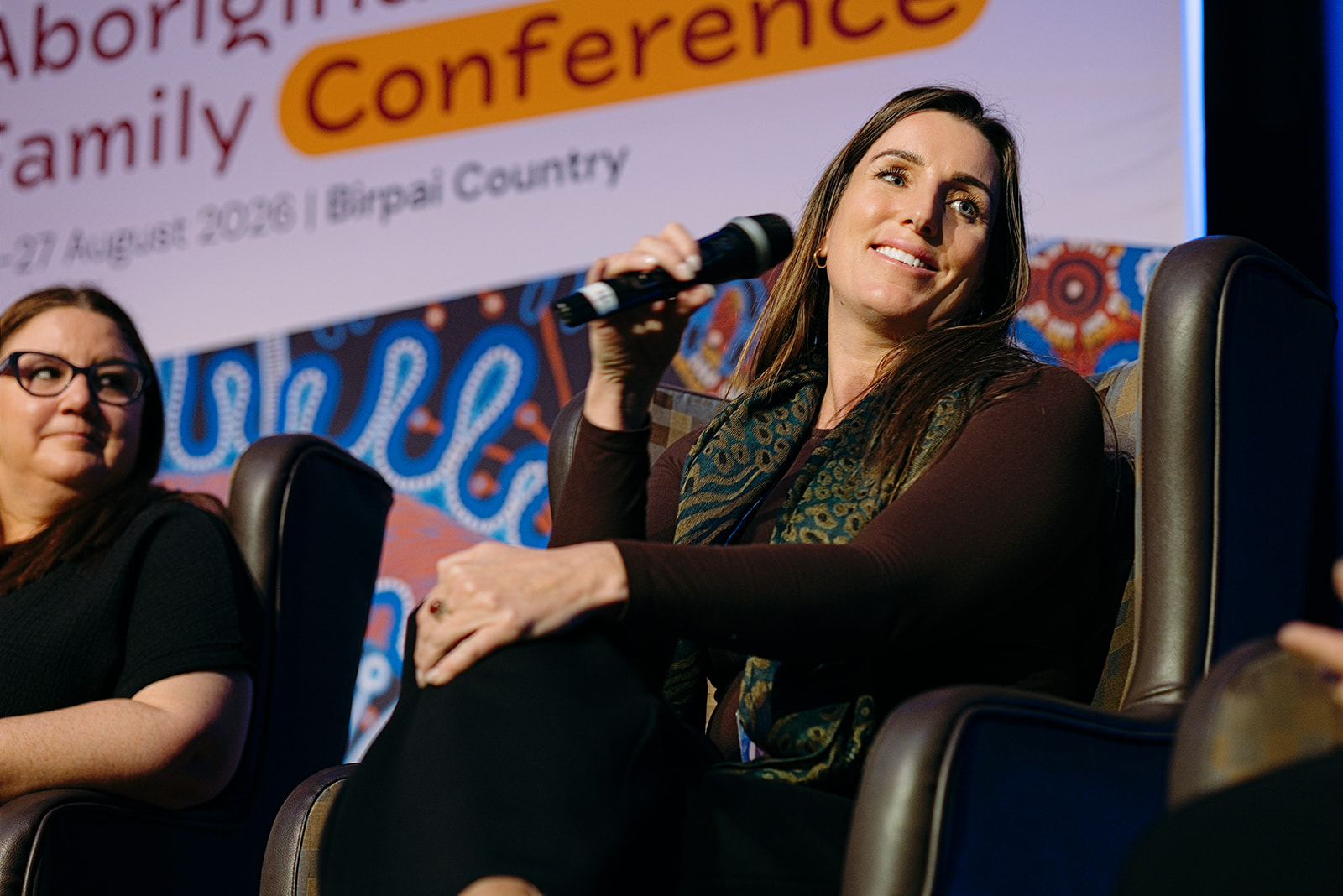
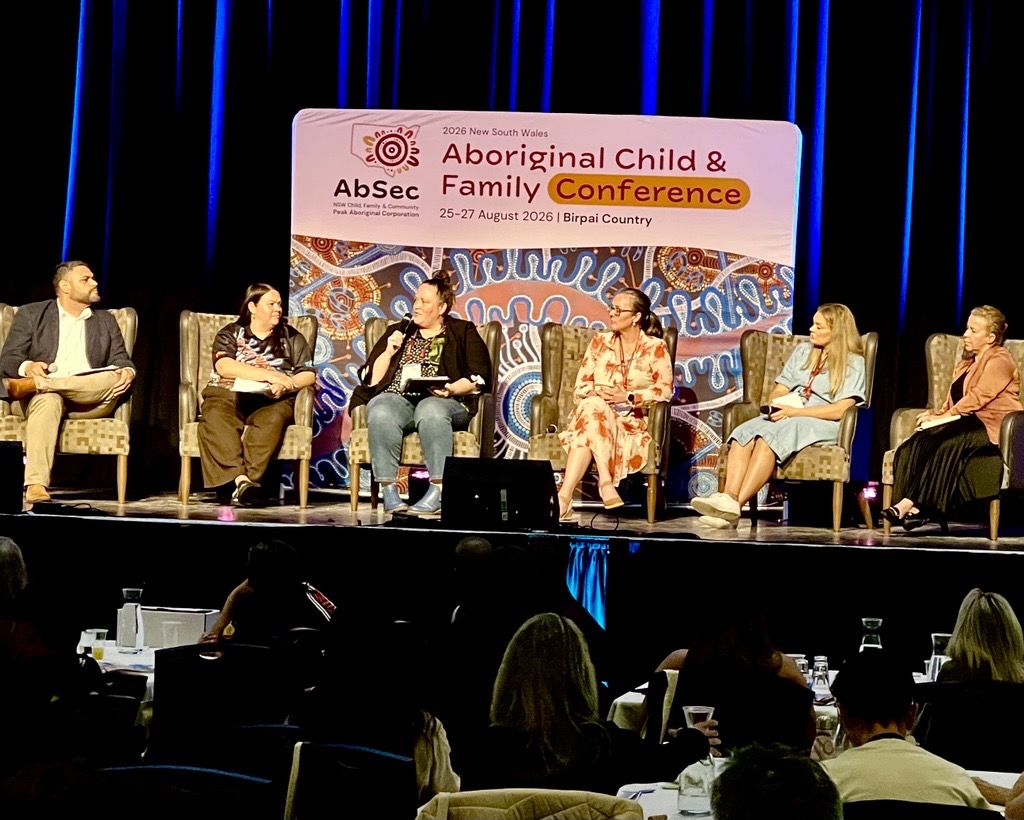
Day One also brought the Child Protection Assessment Partnership panel discussion, featuring the Department of Communities and Justice (DCJ), the Aboriginal Legal Service and AbSec. John Leha facilitated a panel bringing together Fiona Small, Michaela Sullivan and Sarah Cooper from the Department of Communities and Justice, Zoe De Re from the Aboriginal Legal Service and AbSec’s Sherry-Ann Toomey. The discussion explored how the three agencies are working towards a common goal: a more transparent, accountable and culturally responsive child protection system that works with Aboriginal children, families and communities, builds on their strengths and brings Aboriginal knowledge and perspectives into assessment and decision-making.
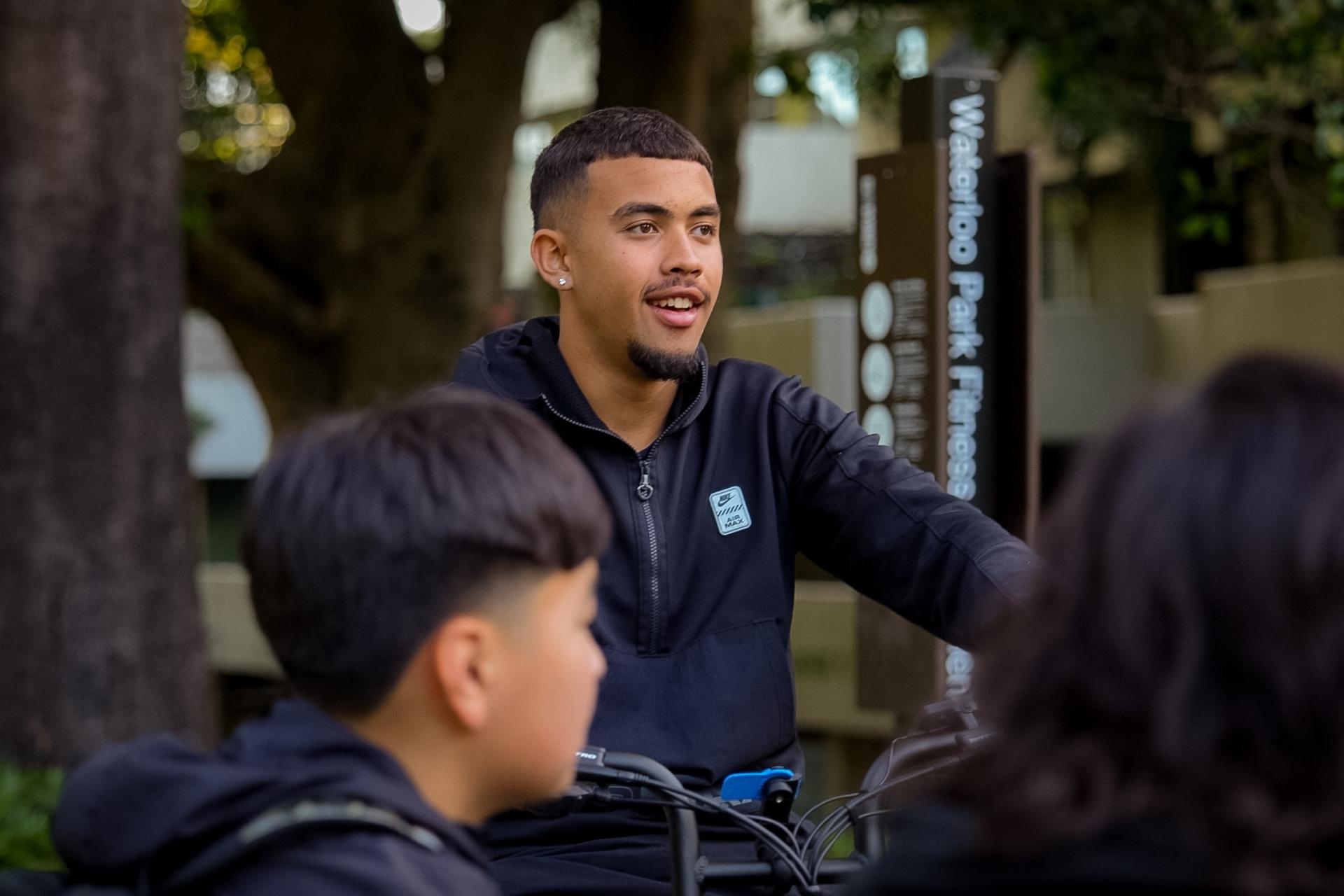
Yarning circles gave space to lived experience throughout the day, and the brave young people from Mounty Aboriginal Youth and Community Services closed proceedings with deeply personal reflections grounded in lived experience. They spoke with honesty and emotion, but also challenged the status quo — asking difficult questions of the system, calling for young people to have a genuine voice in decisions that affect them, and setting out their vision for a sector that listens, and approaches systemic problems with a willingness to question how things have always been done.
Day Two turned to governance and healing. Aunty Muriel Bamblett of VACCA, Wendy Moore of the Tasmanian Aboriginal Centre and John Leha shared hard-won lessons on delegated authority, while Aunty Debra Swan and Barry McGrady introduced Fish Trap Theory — First Nations governance as relational law, grounded in balance, flow and sustainability. Delegates also sat with Kinchela Boys Home Aboriginal Corporation on healing and identity, heard the case for a Charter of Lifelong Recordkeeping Rights, and celebrated the launch of AbSec’s Leaving Care Hub. The afternoon carried a strong thread of community-led reform, from VACCA and BDAC’s Nugel initiative to the Latrobe Valley Koorie Partnership and Aboriginal-led commissioning on Wiradjuri Country.
The Child Protection Assessment Partnership panel brought together Fiona Small and Bianca Jarrett from DCJ, Zoe De Re from the Aboriginal Legal Service and Sherry-Ann Toomey from AbSec, facilitated by AbSec CEO John Leha. The discussion explored how the partnership is working to redesign child protection assessment in NSW, bringing Aboriginal leadership alongside government and legal expertise to create a more transparent, accountable and culturally responsive approach. Panellists examined what genuine cross-agency collaboration looks like in practice, and how assessment, investigation and decision-making can better work with the strengths of Aboriginal children, families and communities rather than around them.
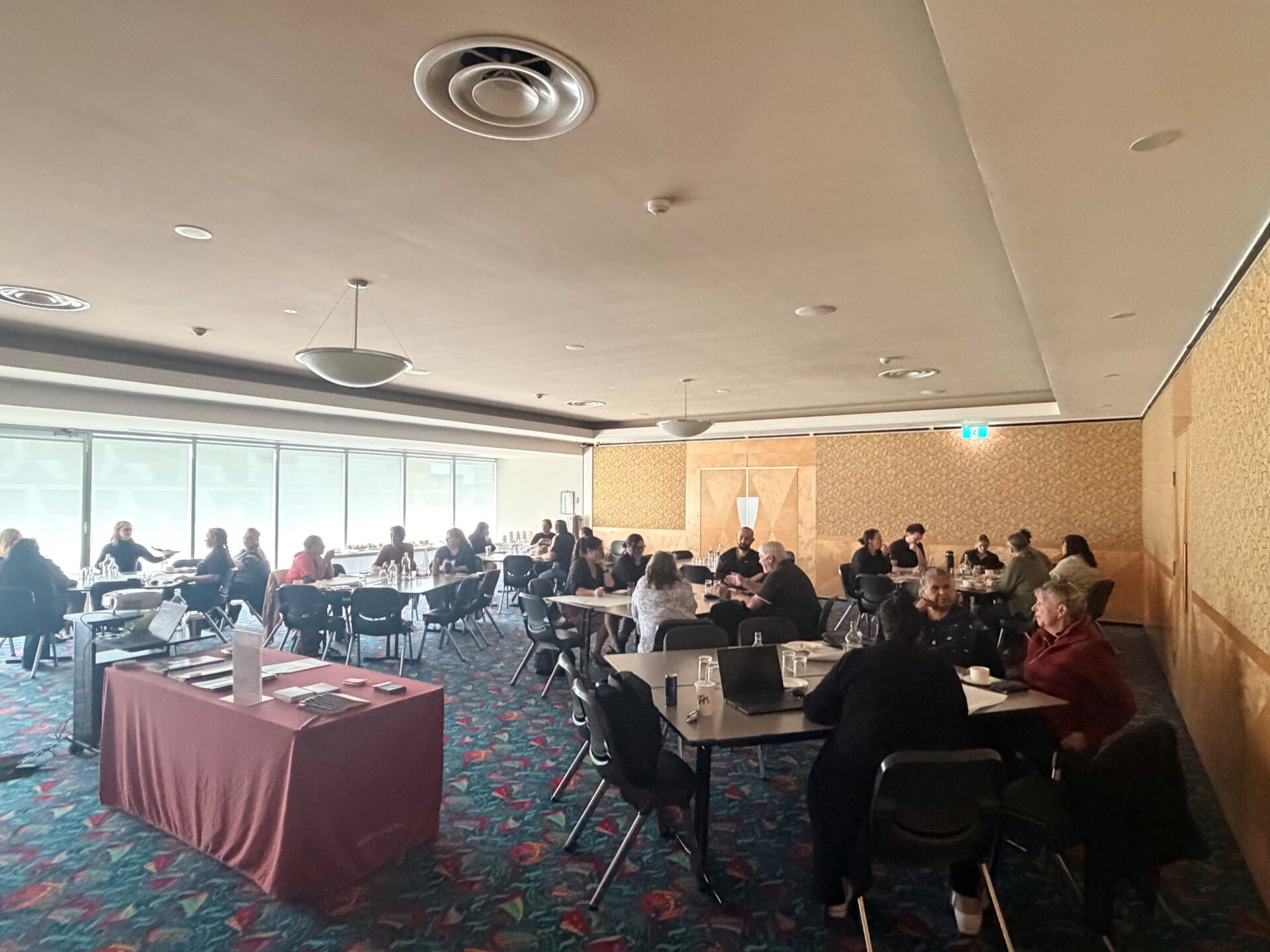
Away from the main auditorium, the breakout rooms created space for smaller, more intimate conversations that were every bit as important. Yarning circles and sessions centred on lived experience provided culturally safe spaces for people to share personal stories, speak openly and listen deeply to one another. These sessions brought honesty, reflection and connection to the conference, creating meaningful conversations that complemented the broader discussions taking place in the auditorium.
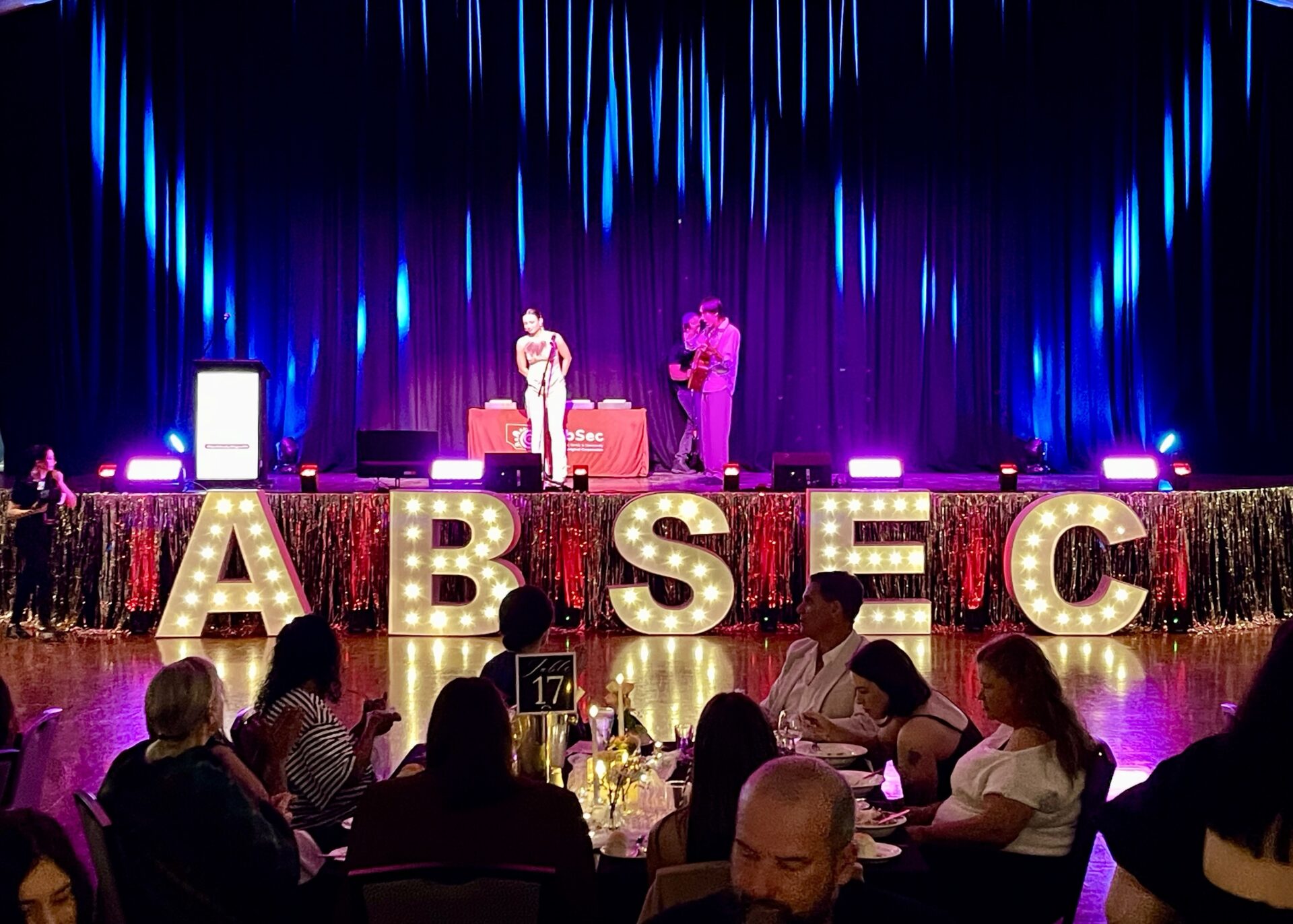
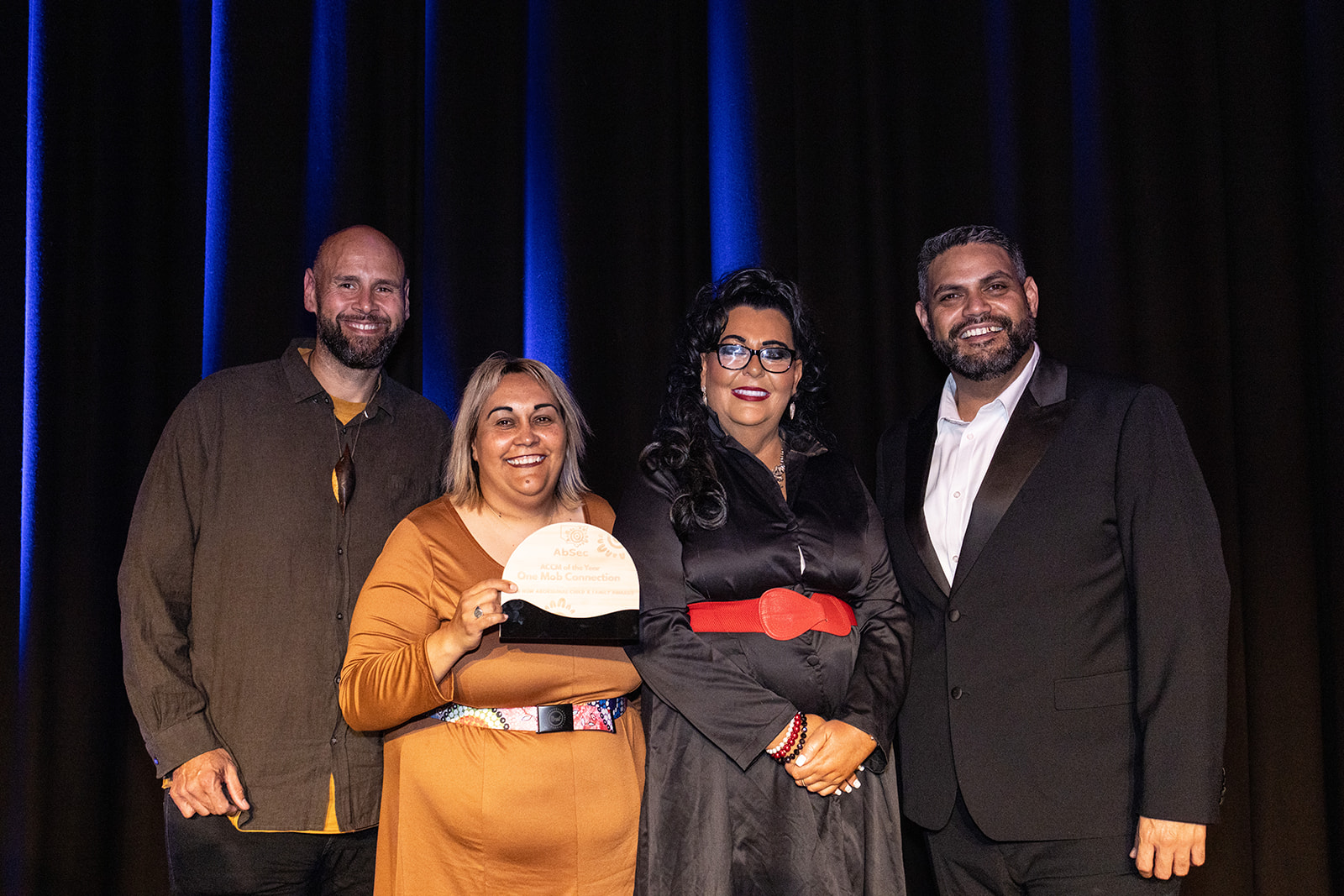
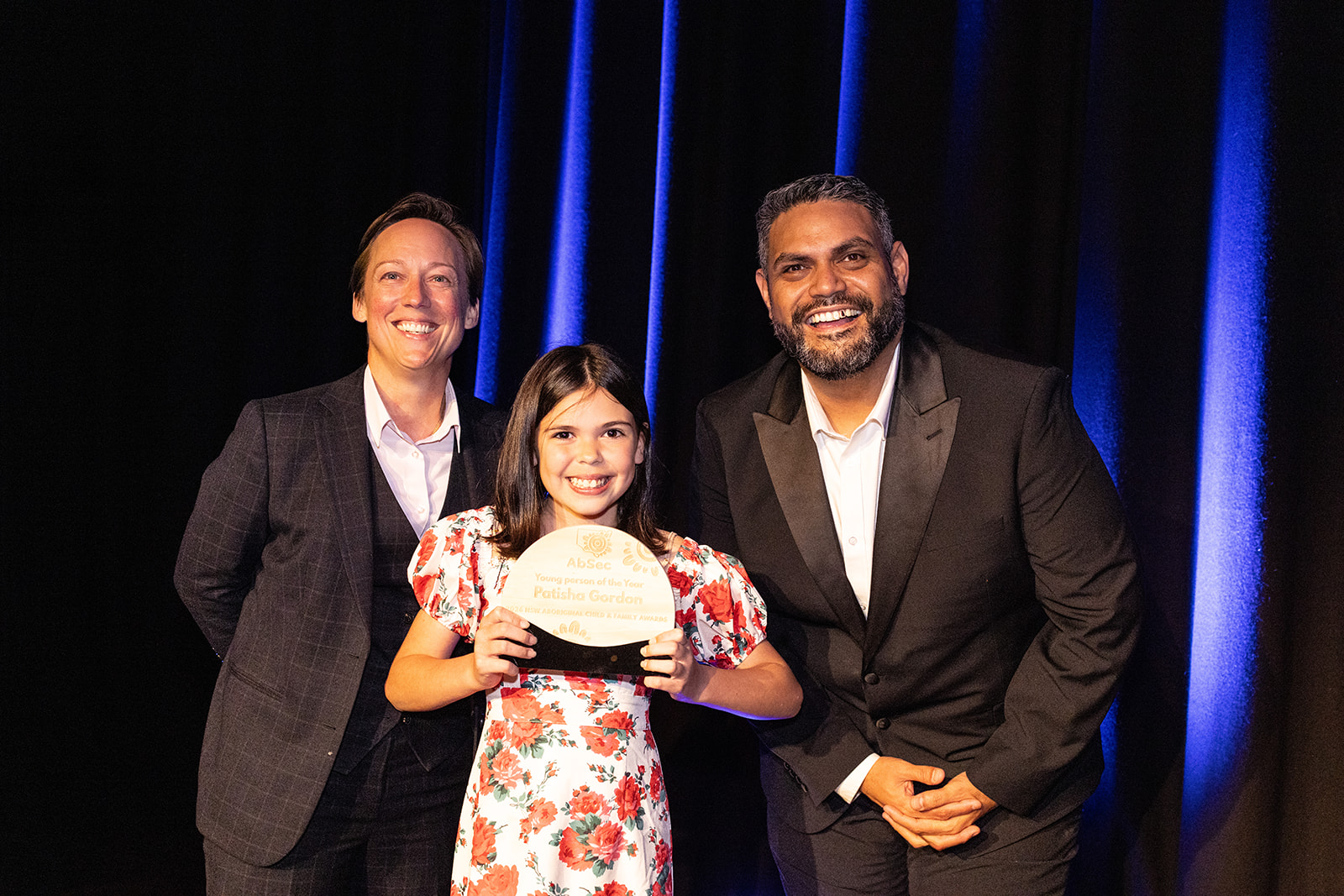
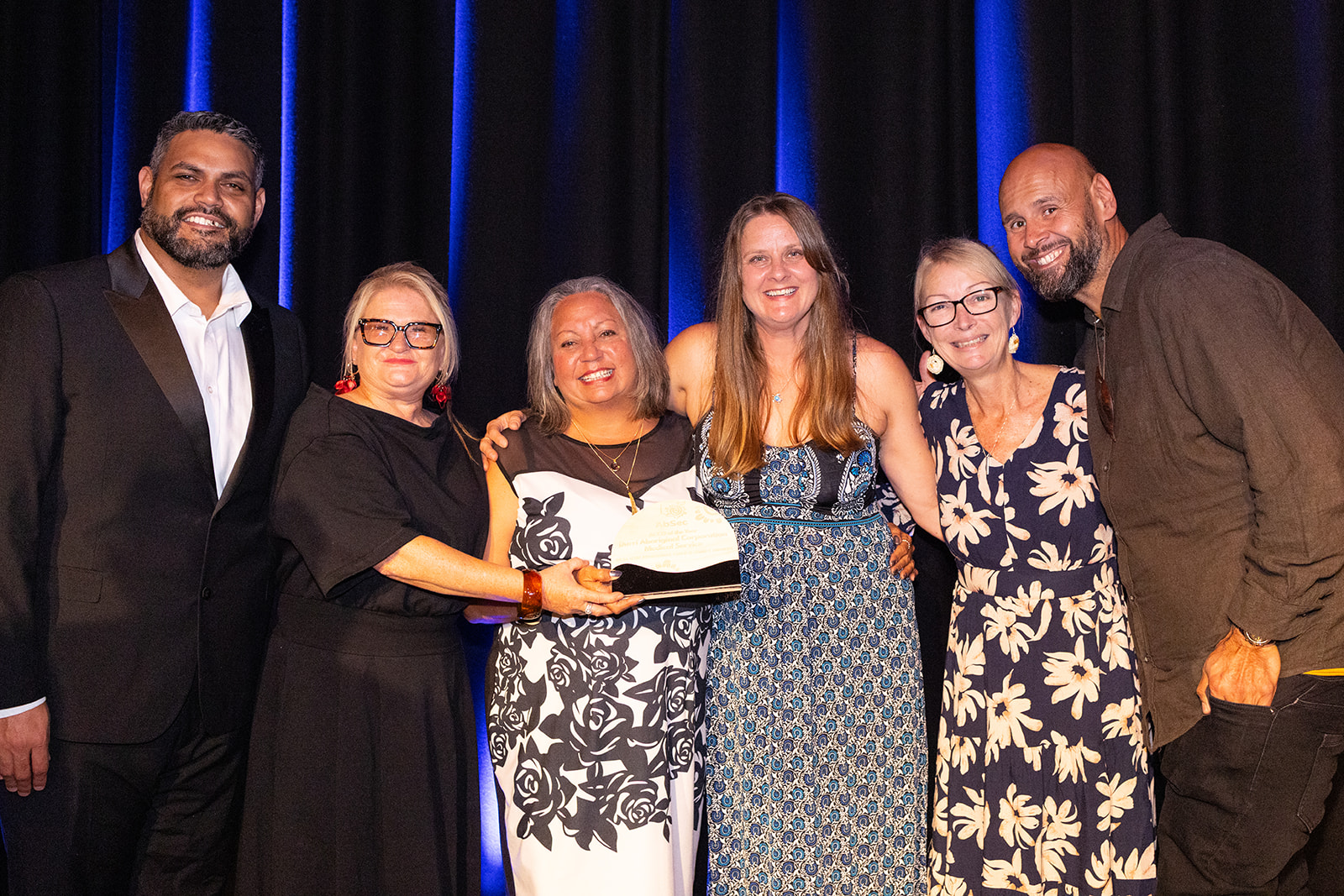
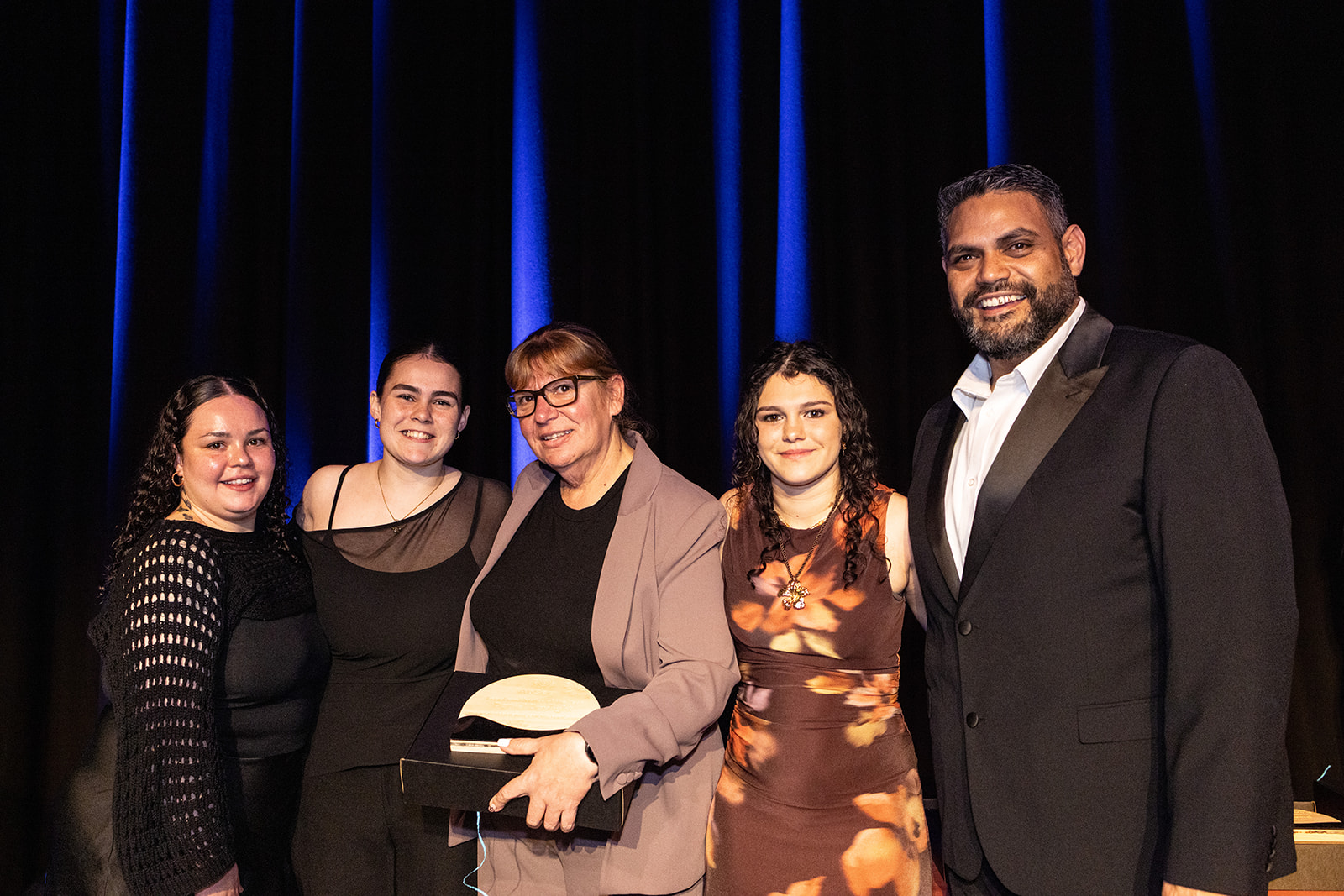
The evening belonged to celebration. Opening the Gala Dinner and Awards Night, AbSec CEO John Leha told the room the past two days had been about confronting hard truths and pushing for change — but that the evening was about something equally important. “Tonight, we celebrate our people,” he said, pointing to the almost threefold jump in award nominations on the previous year as proof that “the spirit of recognition is growing stronger” across the sector. The night carried a performance from Luca Saunders, laughs with comedian Kevin Kropinyeri, and awards honouring the people and organisations doing standout work across the sector every day.
Day Three opened with Associate Professor BJ Newton’s keynote on Bring Them Home, Keep Them Home — landmark Aboriginal-led evidence on restoration outcomes. Sessions on Local Justice Plans, Waminda’s Nabu family-led restoration program and the systemic barriers still standing in the way of restoration followed, alongside a look at genuine cross-sector partnership between Allambi Care and Wandiyali. Wee-ya Win-na closed the plenary program before AbSec Board Chair Petrice Manton brought the conference to a close.
Closing the conference, AbSec Board Chair, Petrice Manton, reflected on three days that had held both hard truths and hope, acknowledging that delegates had “sat with difficult truths and heard deeply personal stories from people who have experienced systems that have failed Aboriginal children and families for generations.” She also acknowledged promising new research, community-led programs reconnecting kids to Country and kin, and the growing reach of Aboriginal Community-Controlled Mechanisms and Aboriginal-led commissioning putting greater authority back in the hands of community, saying, “this is self-determination in action.”
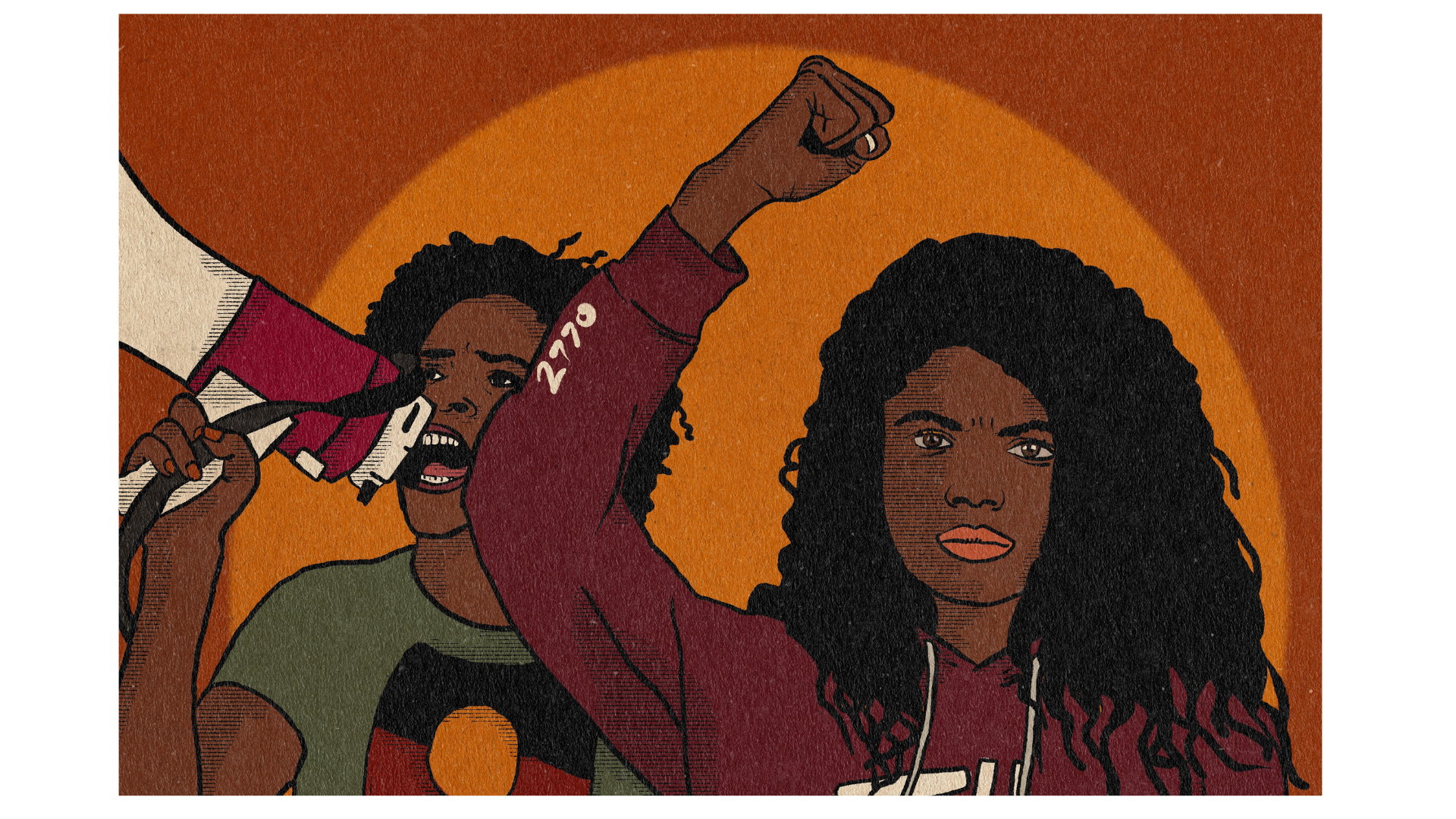
Our deepest gratitude is extended to the local Birpai artists and Elders who grounded the event in Country, including Uncle Bill O’Brien OAM, Yapun.Yapun Biingay, Jikyha Dungay-Vitnell, Josh Wright, Mitji Djiyagan and Luca Saunders, and artist Biripi Jodie Lawler, whose beautiful artwork grounded this conference in place, culture and identity.
Our thanks also to our sponsors: Office of the Children’s Guardian, NSW Council of Social Service (NCOSS), Charles Sturt University – First Nations, and Life Without Barriers; and to Uniting, our Gala Dinner Sponsor. We also thank our exhibitors: Education National, AbSec Learning & Development Centre, Life Without Barriers, Baagi Milaygiin, NSW Aboriginal Education Consultative Group Inc., Matung Kunarr, Shine Lawyers, University of New England, Charles Sturt University and Long Service Corporation for being part of the conference.
A detailed report on the 2026 Conference will be provided on the AbSec website in the coming weeks.