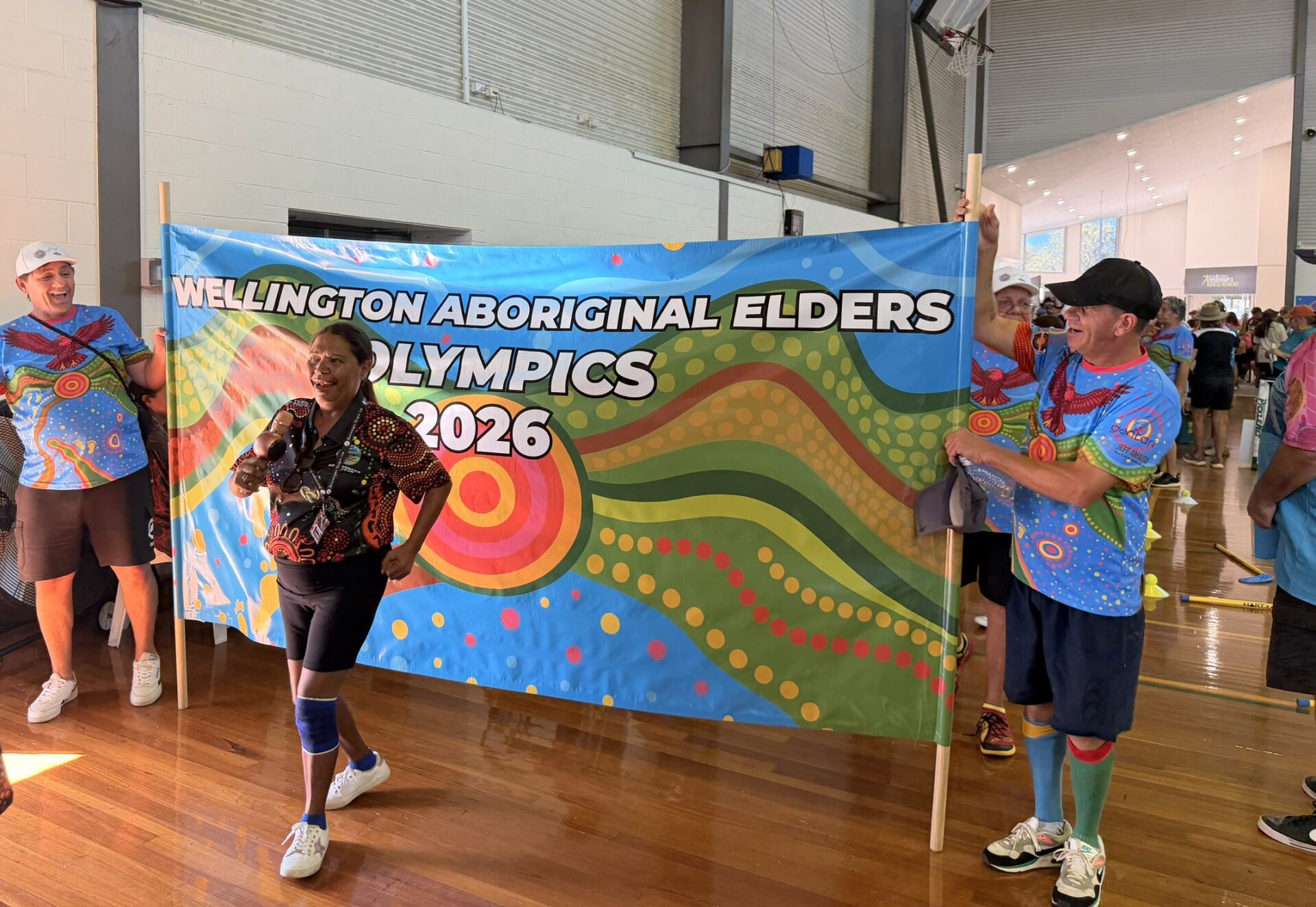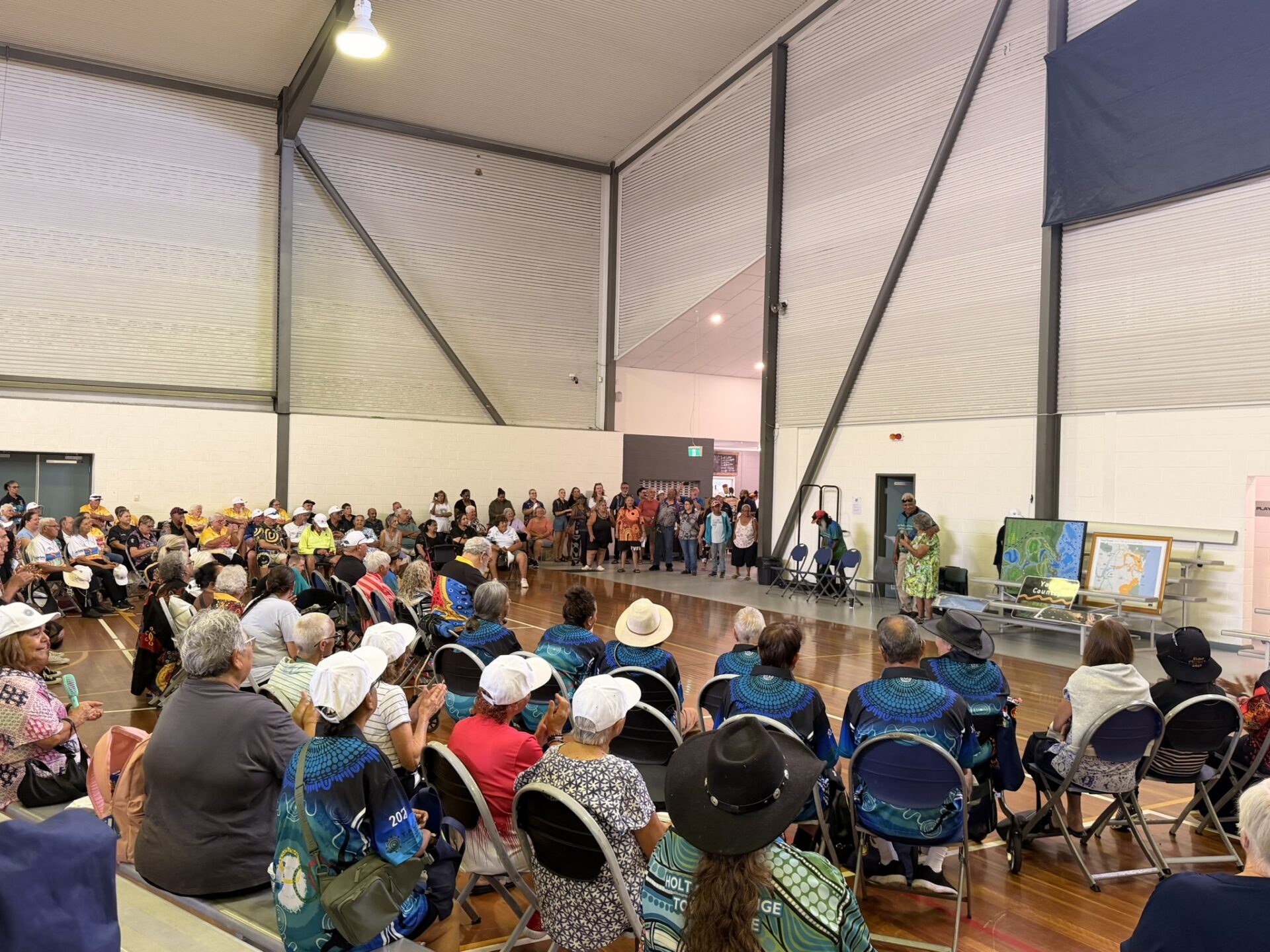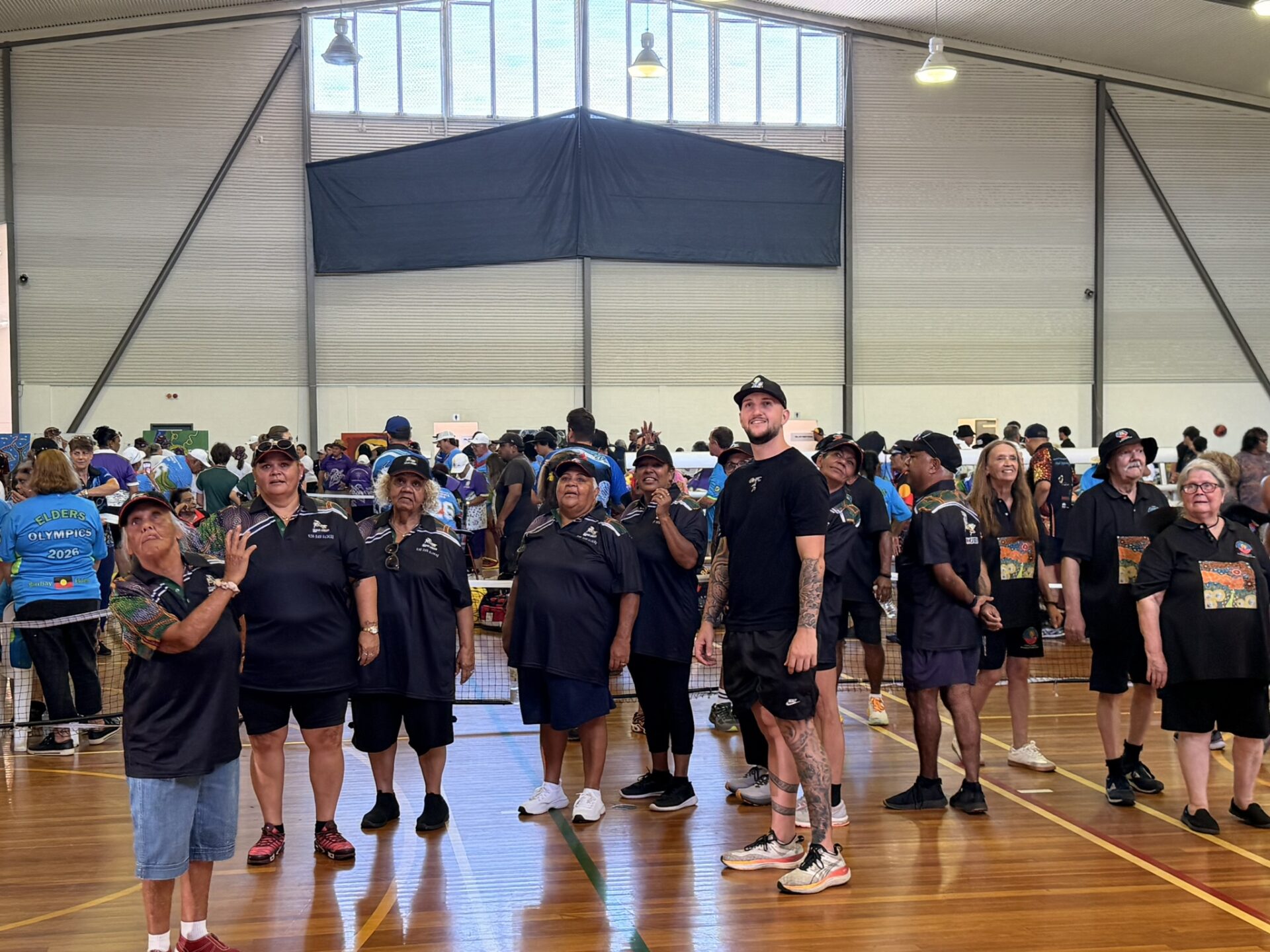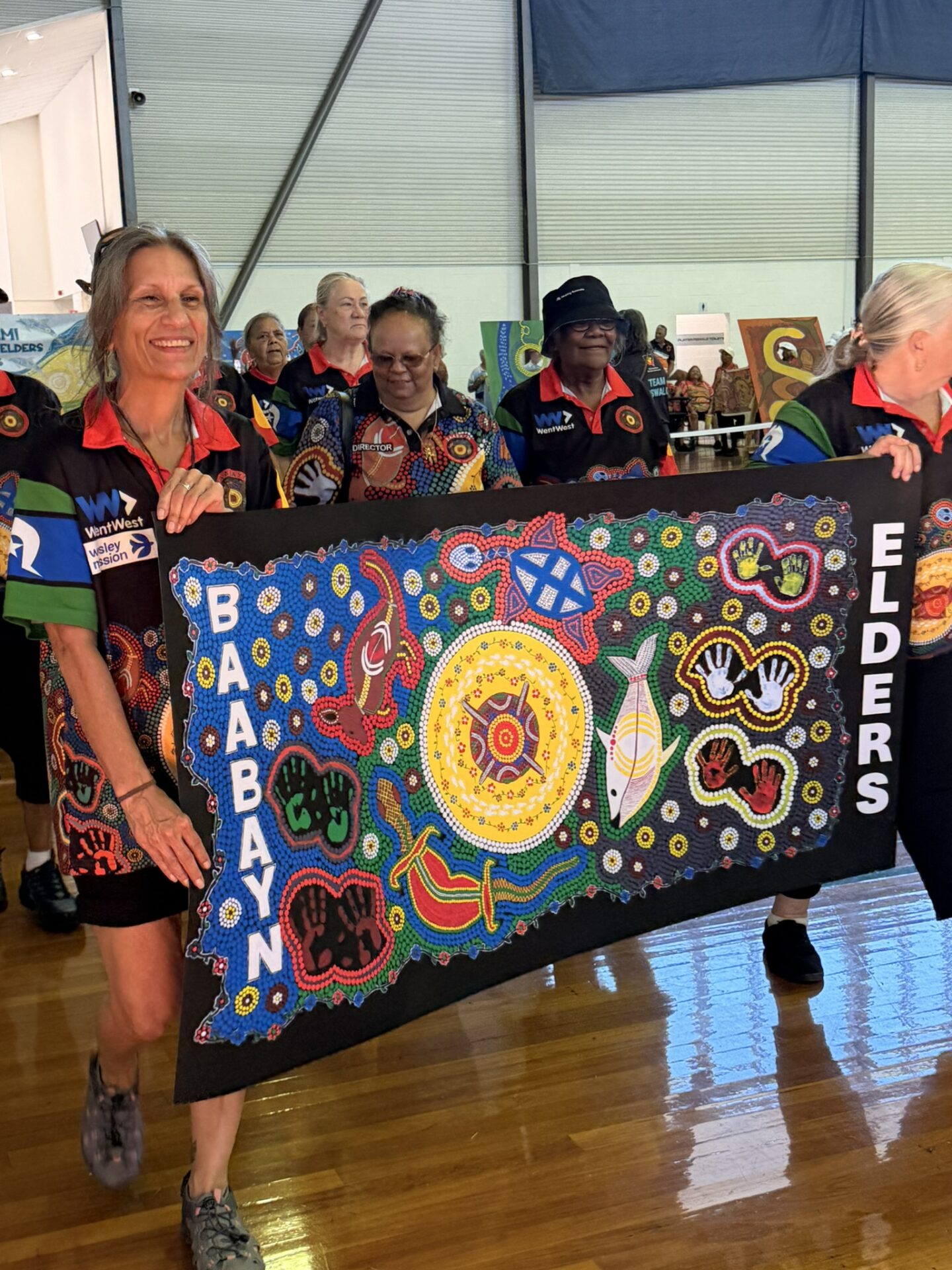

AbSec was proud to attend the 24th Annual Aboriginal Elders Olympics, held on Yaegl Country in Yamba on the 11th – 12th March 2026, bringing together more than 400 Aboriginal Elders and community members from across New South Wales, creating a strong space for connection, culture and community.
The event is an important gathering on the community calendar, creating space for connection, cultural sharing and celebration. Through friendly competition and time together, the Olympics recognise the leadership, knowledge and continuing role of Elders in strengthening families, culture and community.
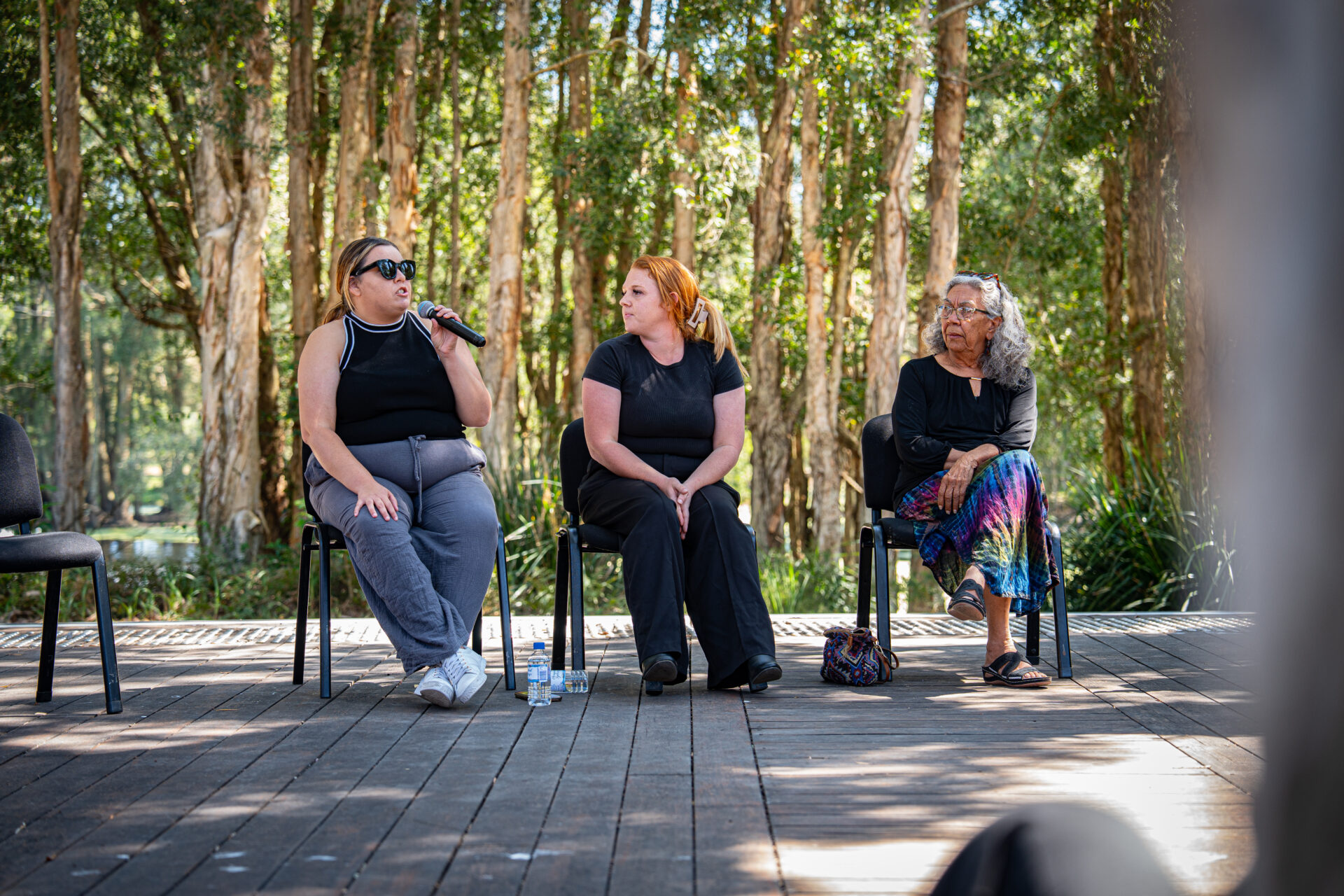
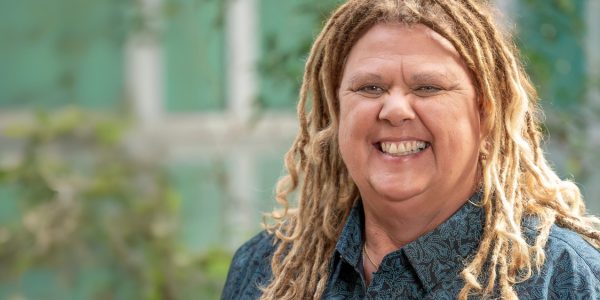
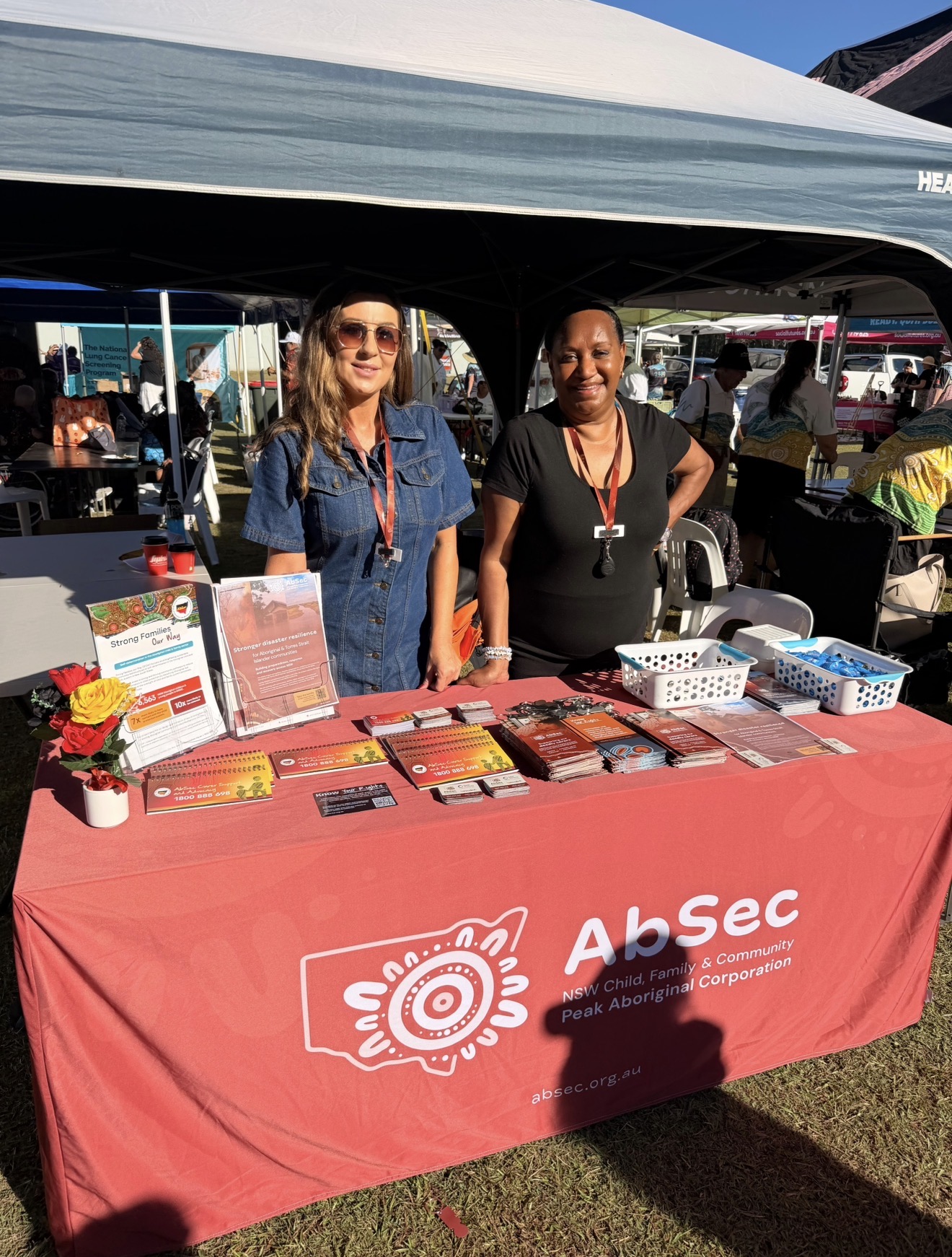
Representing AbSec were Sheree Oliver–Brown, Community Engagement Officer and Carlee Maccoll, Project Officer, attending across both days to engage with community, promote AbSec’s work and gather valuable insights to inform the Community Organisations Disaster Adaptation (CODA) Project.
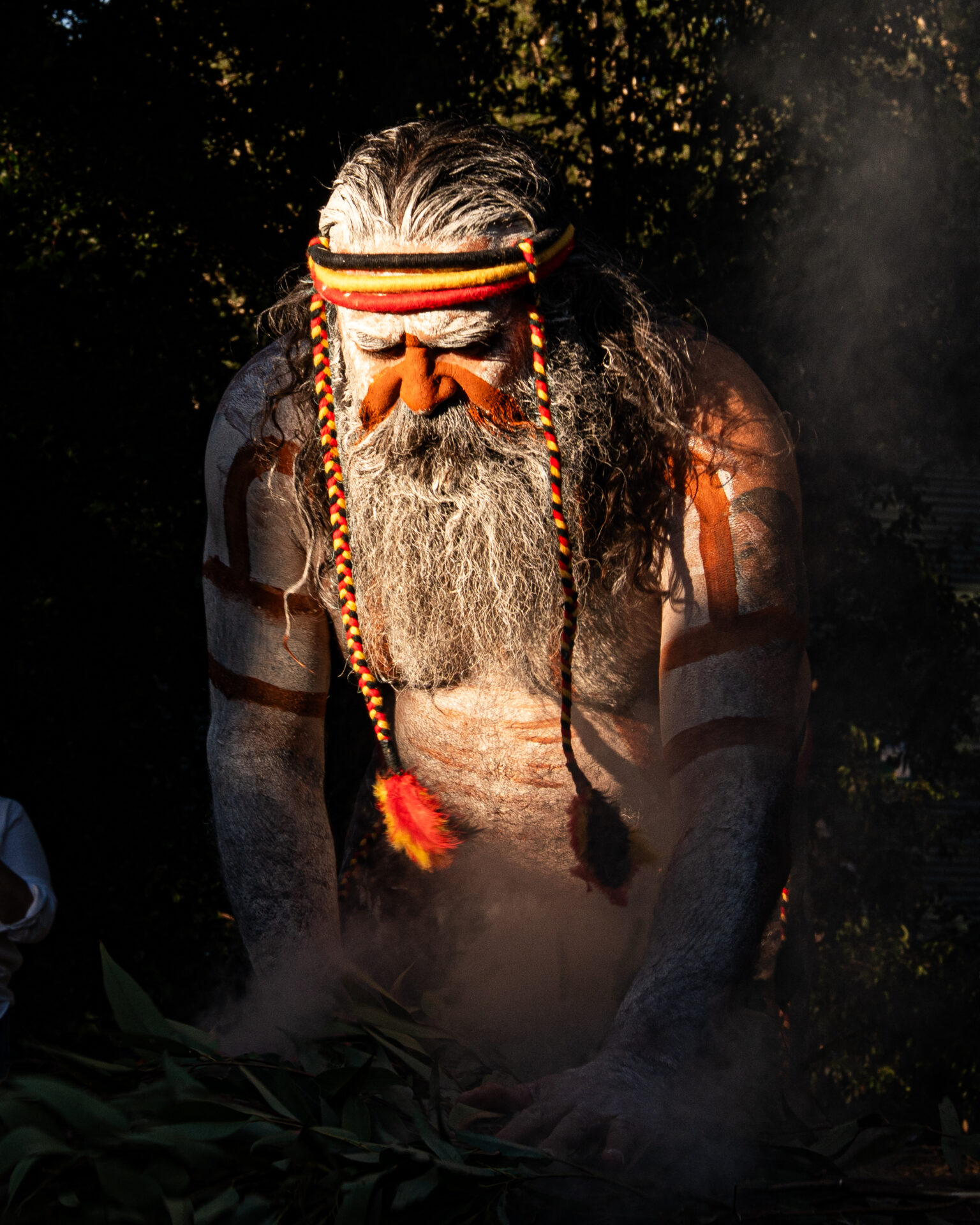
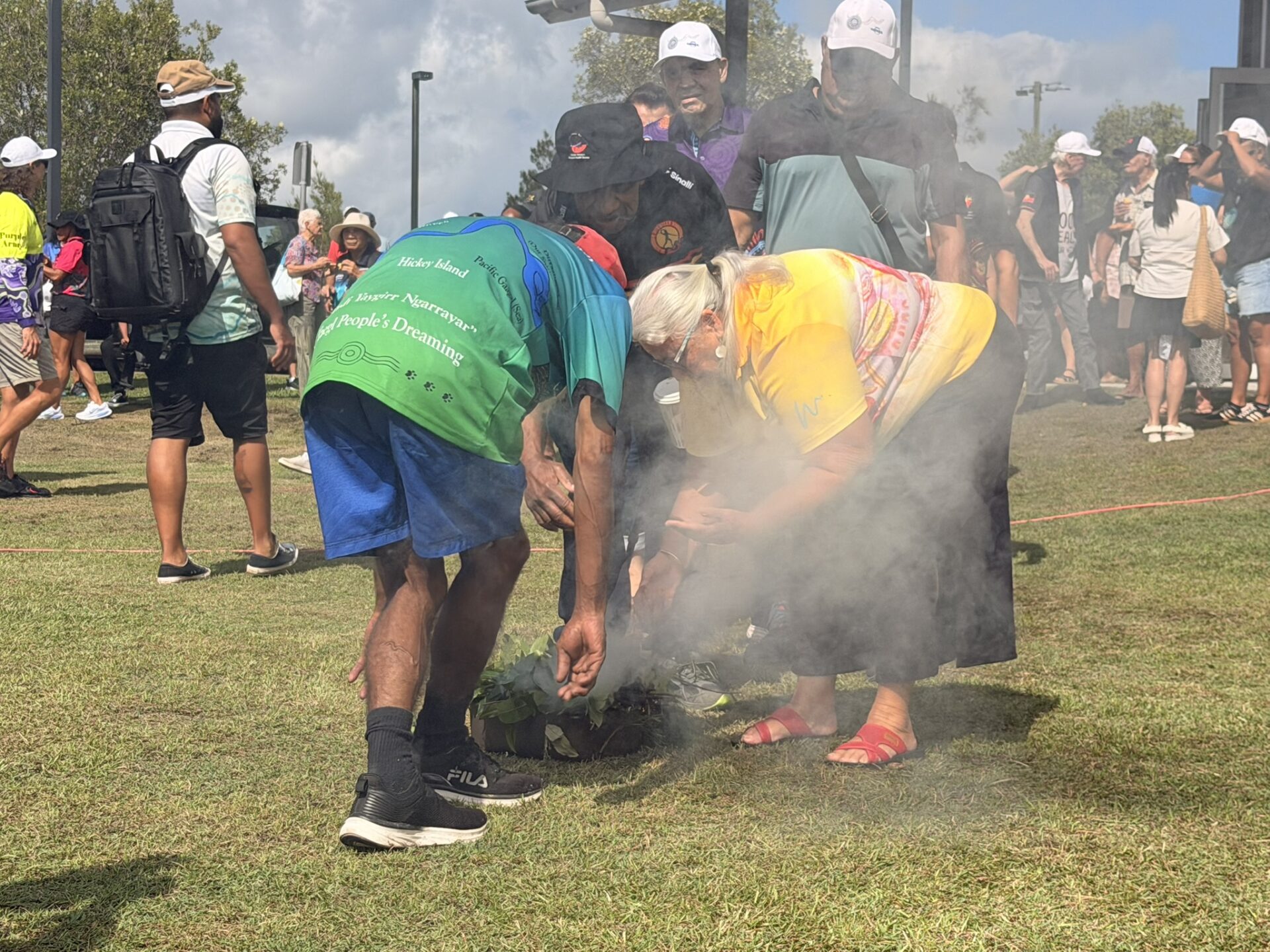
The event opened with a Welcome to Country by respected Yaegl Elder and Matriarch Aunty Lenore Parker, followed by a Smoking Ceremony by Ferlin Laurie, Yaegl Traditional Owner. These cultural protocols set a powerful and respectful tone, grounding the event in connection to Country, culture and community.
Listening, learning and connecting
Day 1 provided an opportunity for meaningful, informal engagement with Elders, Local Aboriginal Land Councils (LALCs), service providers and community members from across NSW. Conversations focused on community experiences, particularly around disaster preparedness, response and recovery.
The event was a valuable opportunity to:
- connect with communities from diverse regions
- listen to lived experiences and local knowledge
- strengthen relationships with Aboriginal and Torres Strait Islander organisations
- share information about AbSec’s role and advocacy work.
These yarns highlighted both the strength of community and the ongoing challenges faced during natural disasters.
AbSec stall: Sharing and engaging
On Day 2, AbSec hosted an information stall, creating a welcoming space for community members to stop by, have a yarn and learn more about our work.
It was a great opportunity to engage in conversations with community about disaster preparedness and resilience ( CODA Project ), share information about AbSec’s programs and advocacy and build new connections while reconnecting with familiar faces.
The stall strengthened AbSec’s presence at the event and created meaningful opportunities for two-way engagement with community.
What we heard
Across the two days, community members shared important insights that will help shape AbSec’s work moving forward. Key themes included:
- the strength of community-led support during disasters
- the need for improved emergency communication and preparedness
- ongoing challenges around recovery, housing and access to services
- the importance of culturally appropriate approaches to disaster planning.
These insights will contribute to AbSec’s CODA Project research and advocacy, ensuring community voices remain central to disaster resilience planning.
Moving forward
The Elders Olympics highlighted the importance of bringing community together in culturally safe spaces. It also reinforced the critical role Elders play in sharing knowledge, guiding communities and strengthening resilience.
AbSec is grateful for the opportunity to engage, listen and learn. The insights gathered will continue to inform our work, ensuring that Aboriginal voices, experiences and priorities are reflected in disaster planning and policy across NSW.
A big congratulations to the Westlake Elders from Newcastle and Lake Macquarie, who were crowned the 2026 Aboriginal Elders Olympics champions.
Your strength, teamwork and community spirit truly shone across the two days – a well-deserved win! We look forward to seeing you carry the torch as hosts for the 2027 Elders Olympics.
For AbSec, attending the event is an important opportunity to connect directly with community. As the NSW peak body for Aboriginal child and family services, it provides a chance to listen, strengthen relationships and ensure the voices of Elders continue to guide our advocacy, policy and work across the sector.